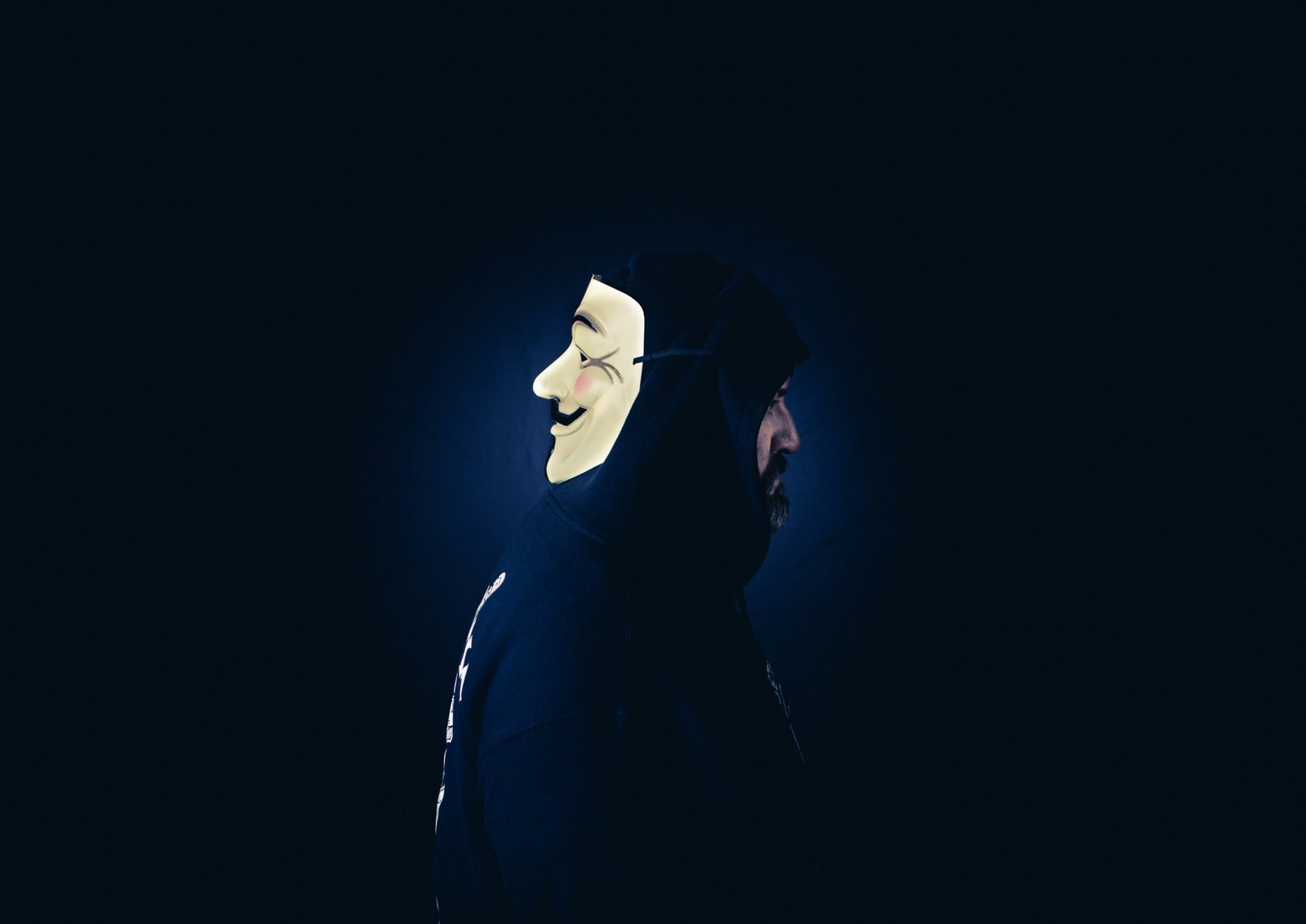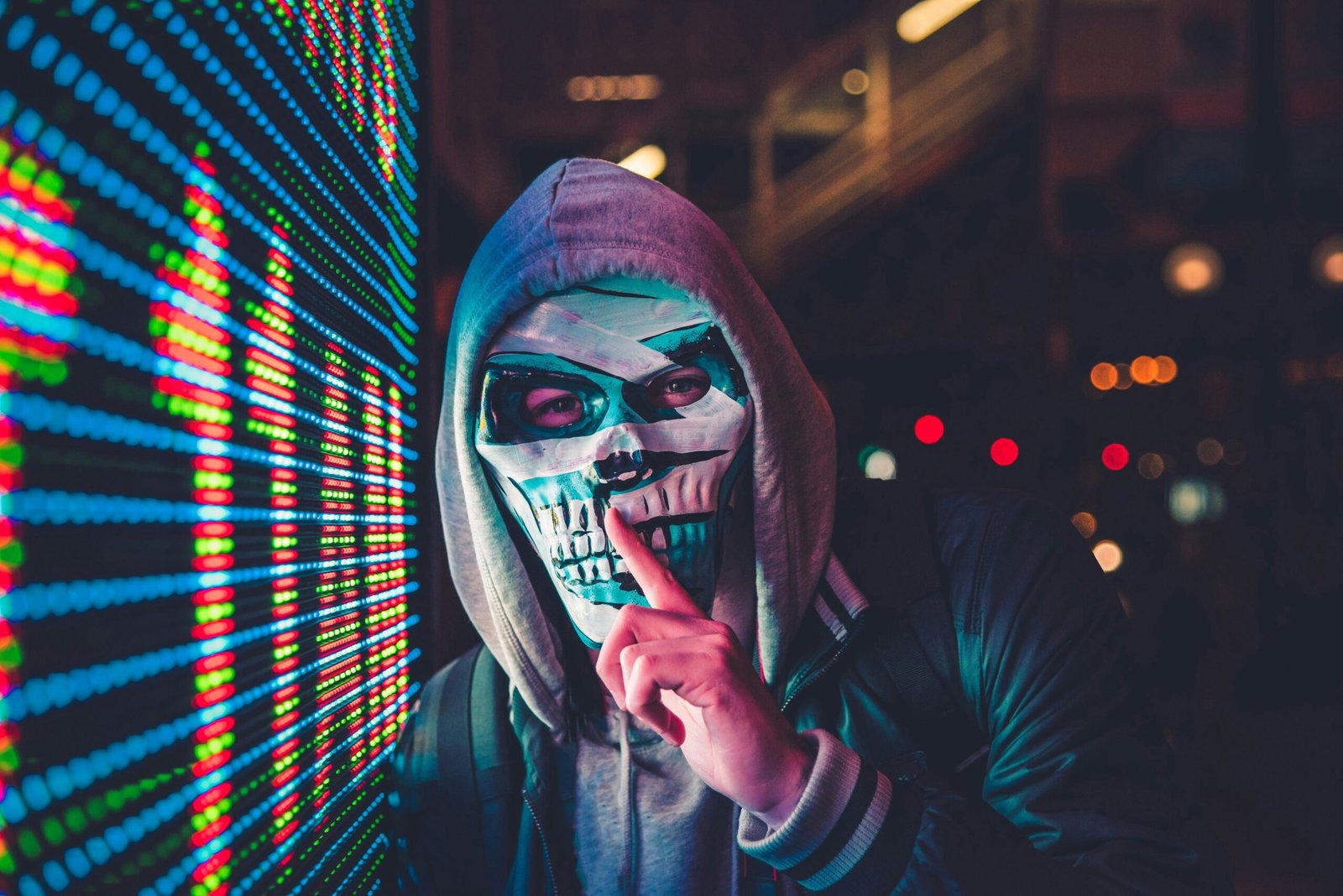

The dark web is not just about hackers and drugs. These 10 well-documented scary realities of the Dark Web or dark web facts reveal how it actually functions and why it continues to persist.
Introduction
The dark web is often portrayed as a mysterious underworld accessible only to skilled hackers. In reality, it is neither mythical nor uniformly criminal. It is a parallel internet layer that mirrors many legitimate online behavior commerce, communication, and communities while also enabling serious abuses.
Understanding the dark web requires moving past pop-culture myths and examining how it actually operates. Below are 10 documented scary realities of the Dark Web that explain why the dark web remains persistent, resilient, and deeply relevant to modern cybercrime.
1. The Dark Web Is a Small Part of the Internet, But Highly Concentrated
The dark web represents only a fraction of overall internet traffic. However, illicit activity on the dark web is densely concentrated, making its impact disproportionate to its size.
A small number of marketplaces and forums generate the majority of harm.
2. Most Dark Web Users Are Not Criminals
Many users access the dark web for:
- Privacy protection
- Circumventing censorship
- Journalism and whistleblowing
Criminal activity exists alongside legitimate use, not instead of it; also, there is no such thing as dark web crimes.
3. Dark Web Markets Resemble Legitimate E-Commerce Platforms
Illicit marketplaces often feature:
- Vendor ratings
- Dispute resolution systems
- Escrow services
These mechanisms are designed to build trust in environments where formal enforcement does not exist.
4. Law Enforcement Actively Operates on the Dark Web
Contrary to popular belief, the dark web is not lawless. Law-enforcement agencies routinely:
- Monitor forums
- Run undercover operations
- Seize infrastructure
Many large marketplaces have been dismantled through long-term investigations.
5. Exit Scams Are Common and Costly
Marketplace operators sometimes disappear suddenly with users’ funds. These exit scams exploit the same anonymity that protects buyers and sellers.
Trust on the dark web is always conditional.
6. Cryptocurrency Did Not Create the Dark Web Economy
While cryptocurrencies facilitate transactions, dark web trade existed long before digital assets. Cryptocurrencies simply reduced friction, not accountability.
Financial anonymity is partial, not absolute.
7. Many Dark Web Services Are Poorly Secured
Despite the perception of technical sophistication, many dark web services suffer from:
- Weak operational security
- Outdated software
- Human error
These flaws are often exploited by investigators and rival criminals alike. Similarly, dark web myths are also often exploited by others to stay ahead of the curve.
8. Violence Is Less Visible but Still Present
Direct violence is less common than financial crime, but services linked to violence, such as weapons sales or contract crime discussion,s have appeared repeatedly across dark web forums.
The threat is indirect but real.
9. The Dark Web and Surface Web Are Interconnected
Dark web activity frequently relies on:
- Surface web social media
- Messaging platforms
- Mainstream payment infrastructure
The boundary between the dark and surface web is more porous than commonly assumed.
10. The Dark Web Is Unlikely to Disappear
As long as:
- Privacy tools exist
- Censorship persists
- Financial anonymity is valued
The dark web will continue to adapt. Shutdowns reduce activity temporarily but rarely eliminate it. But the battle between deep web vs dark web will still linger on.
Conclusion
The dark web is neither a digital hellscape nor a misunderstood utopia. It is an environment shaped by incentives, privacy, anonymity, profit, and risk.
Understanding the scary realities of the Dark Web is essential for informed discussions about cybersecurity, law enforcement, and digital rights. Fear without understanding leads to poor policy. Awareness leads to better outcomes.
Bibliography & Sources
- Europol – Dark Web Threat Assessment
https://www.europol.europa.eu/activities-services/publications - UNODC – Dark Web, Cybercrime, and Organised Crime
https://www.unodc.org/unodc/en/cybercrime/cybercrime.html - FBI – Dark Web Investigations Overview
https://www.fbi.gov/investigate/cyber - RAND Corporation – Markets on the Dark Web
https://www.rand.org/pubs/research_reports/RR1607.html - Tor Project – Understanding the Tor Network
https://www.torproject.org/about/history/
For deeper context on such Dark Web Stuff, see our Dark Web Intelligence.