Russia once positioned itself as a sporting superpower — a nation capable of hosting the world’s most ambitious, most extravagant Olympic Games. The 2014 Sochi Winter Olympics, costing an unprecedented USD 51 billion, transformed the quiet Black Sea resort town into a global spectacle. Russia topped the medal tally. National pride soared. And the Kremlin leveraged the event as a geopolitical advertisement of strength.
But the glory was short-lived.
A seismic doping scandal soon engulfed Russia’s sporting establishment, exposing an alleged state-sponsored program involving intelligence operatives, tampered lab results, and systematic cover-ups. What began as Olympic triumph spiraled into one of the biggest sports scandals in modern history.
The State-Sponsored Doping Allegations
Soon after Sochi, the World Anti-Doping Agency (WADA) began investigating troubling irregularities in Russian drug-testing data. Their findings implicated senior officials, anti-doping labs, and members of the FSB, Russia’s principal security agency and successor to the KGB.
The allegations were staggering:
- Over 1,000 Russian athletes were reportedly protected from positive tests.
- Lab samples were allegedly swapped through covert operations.
- Doping records were tampered with digitally and physically.
WADA concluded that Russia had engineered a systematic and state-directed doping apparatus designed to secure dominance at global sporting events.
The fallout was immediate and historic.
Russia’s Fall from Olympic Grace
In 2019, WADA imposed a four-year ban on Russia, preventing it from:
- Competing under its national flag
- Using its national anthem
- Presenting itself as an official representative at the 2020 Tokyo Olympics, 2022 Beijing Winter Olympics, and 2022 FIFA World Cup
The Court of Arbitration for Sport (CAS) later reduced the ban to two years, but the restrictions remained severe. Russian athletes could still participate, but only under a neutral title: the Russian Olympic Committee (ROC).
This was a profound symbolic blow.
A nation once determined to showcase its global might now found its Olympic identity erased from the world stage.
Sochi: Russia’s USD 51 Billion Spectacle
For Russia, hosting the Sochi Games was as much a political project as a sporting one. The government aimed to signal competence, ambition, and modernity.
Key facts:
- Original budget: USD 12 billion
- Final spending: USD 51 billion
- Most expensive Olympics ever held
- Extensive infrastructure overhaul, including stadiums, roads, hotels, rail systems, and mountain facilities
Three years later, Sochi’s astronomical cost was eclipsed by another geopolitical shock: Russia’s annexation of Crimea in 2014. The Olympics were no longer the main story — but they revealed the extent of state ambition and the willingness to mobilize vast resources for image-building.
Why Was Russia Barred from the 2020 Tokyo Olympics?
WADA investigators determined that Russia had deliberately manipulated drug-testing data from its Moscow lab, violating reinstatement conditions following earlier doping revelations.
Key reasons for the ban:
- Systematic alteration of athlete data
- Deletion of evidence of doping
- Obstruction of investigative processes
- Continued non-compliance with anti-doping protocols
The ban was designed not only as punishment but as deterrence — a message to all countries that institutional doping carries serious global consequences.
How the ROC (Russian Olympic Committee) Works
At Tokyo 2020 and Beijing 2022, Russian athletes competed under strict rules:
Naming Restrictions
All references must say ROC, not “Russia” or “Russian Olympic Committee.”
Flag Restrictions
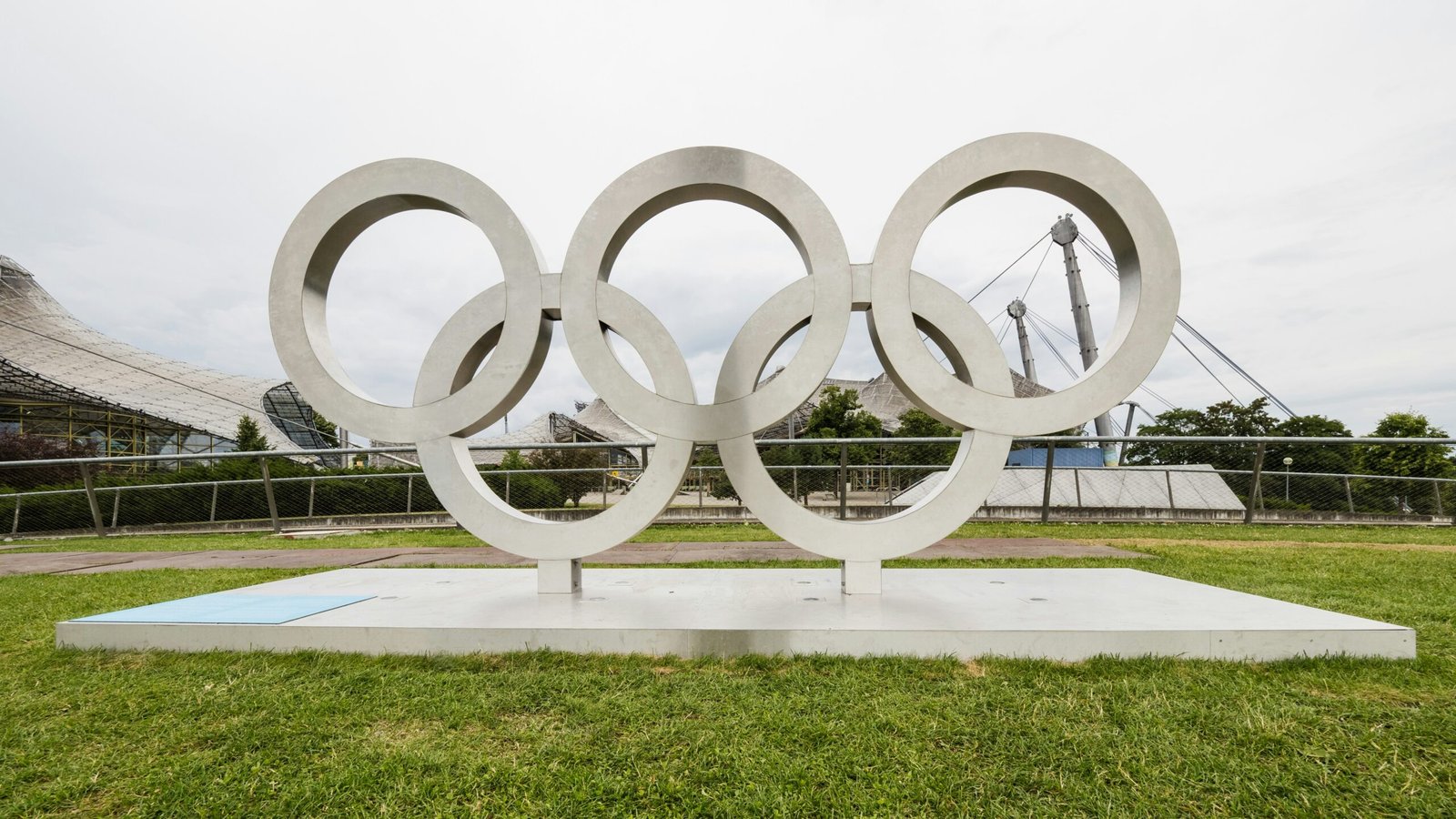
Instead of the national flag, a neutral ROC flag is used — featuring the Olympic rings and a flame in Russian colors.
Anthem Restrictions
If an ROC athlete wins gold, Russia’s anthem cannot be played.
Instead, Pyotr Tchaikovsky’s Piano Concerto No. 1 is used as a neutral musical substitute.
Appearance Restrictions
Athletes may wear uniforms in white, blue, and red — but without national symbols.
Media Preparedness
Russian athletes were reportedly given a “cheat sheet” to manage sensitive questions from journalists regarding:
- Doping allegations
- Crimea’s annexation
- Sexual harassment claims
- International political controversies
- Global social movements such as Black Lives Matter
Despite the restrictions, ROC athletes performed strongly at Tokyo — a reminder that Russia’s sporting tradition remains formidable even under scrutiny.
Conclusion
Russia’s Olympic journey over the last decade reads like a geopolitical case study: dazzling triumph, institutional scandal, and contested participation. The Sochi Games symbolized national ambition, but the doping scandal exposed systemic flaws — intertwining sport, politics, intelligence agencies, and global diplomacy.
The ROC era may someday end, but the legacy of this turbulent period will continue to define how the world perceives Russian sport and state power.
Bibliography / Sources
- The Guardian — Russia’s doping punishments explained
https://www.theguardian.com/sport/2021/jul/22/russia-olympics-tokyo-2020-doping-punishments - Indian Express — Why Russians competed as ROC
https://indianexpress.com/article/explained/explained-at-tokyo-olympics-why-russians-are-competing-under-the-name-roc-7421776/ - TIME — What is ROC at the Olympics?
https://time.com/6084195/what-is-roc-olympics/ - WADA Official Reports
https://www.wada-ama.org - CAS Ruling Summary on Russia Ban
https://www.tas-cas.org
For deeper context on these power tactics, see our Intelligence Notes & Critical Reads