
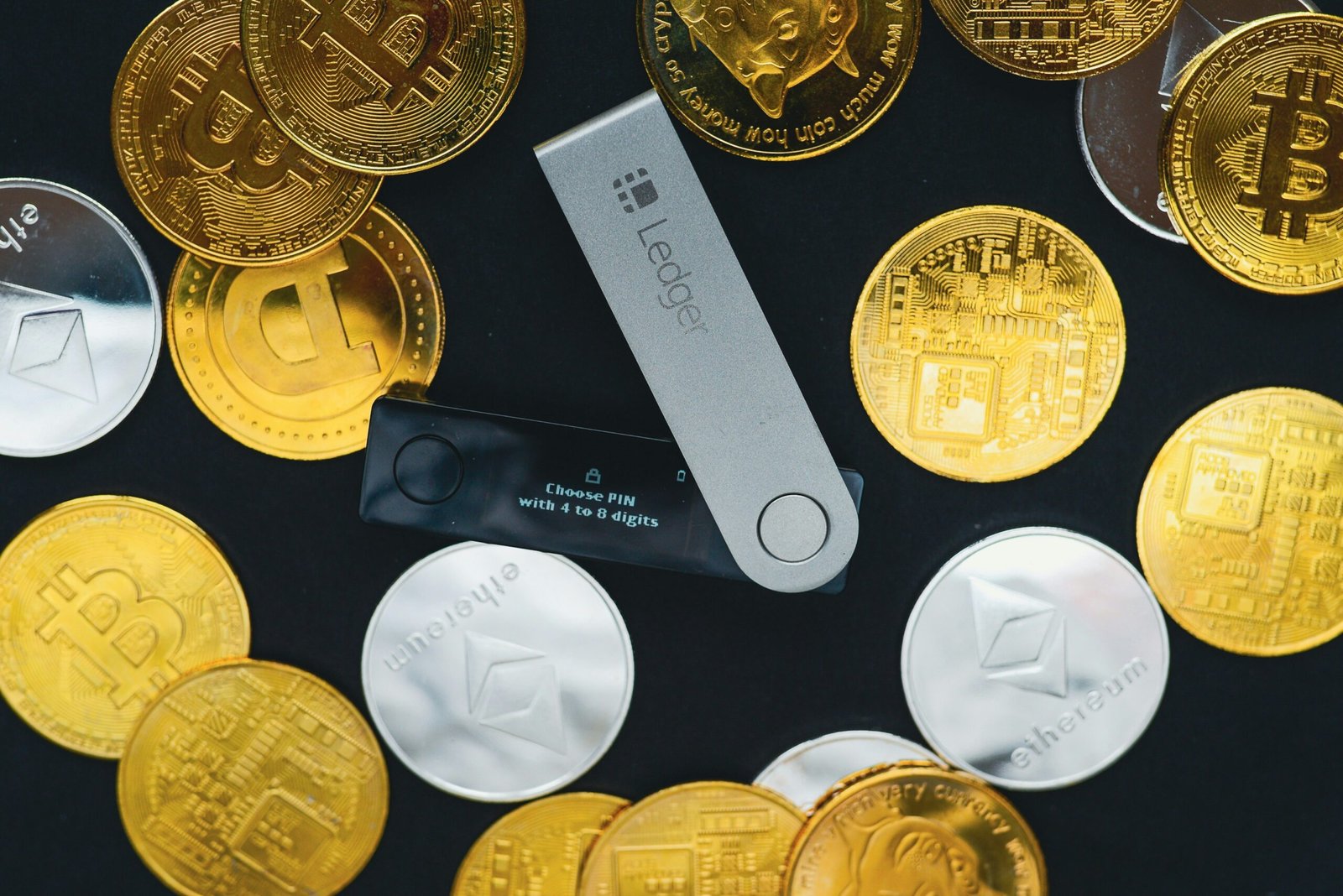
An investigative look at what cryptocurrency ATM scams are, how these machines are exploited, and what journalists should know.
Introduction
Cryptocurrency ATMs were originally marketed as a bridge between cash and digital assets, simple, accessible, and decentralised. Over time, they have also become one of the most abused tools in modern financial fraud. Law enforcement agencies, consumer protection bodies, and investigative journalists now routinely flag crypto ATM fraud as a preferred channel for scammers.
This article explains why scammers disproportionately rely on Bitcoin ATM fraud, how these machines are exploited, and what patterns journalists should recognise when reporting on crypto-enabled fraud.
What a Crypto ATM Really Is (and Isn’t)
Despite the name, crypto ATMs do not function like traditional bank ATMs.
Key characteristics include:
- No account relationship with a bank
- Irreversible transactions
- Minimal or inconsistent identity checks
- Near-instant settlement on public blockchains
For scammers, these features are not bug they are advantages.
Cash + Irreversibility = Ideal Scam Conditions
The defining appeal of crypto ATMs is the irreversibility of transactions.
Once funds are sent:
- There is no chargeback mechanism
- No intermediary with discretion to halt transfers
- No customer service recovery path
Scammers frequently instruct victims to:
- Withdraw cash from a bank
- Visit a nearby crypto ATM
- Scan a QR code linked to a scam-controlled wallet
By the time victims realise something is wrong, the money has already moved.
Exploiting Victim Psychology at the Point of Transaction
Crypto ATM scams often coincide with high emotional pressure.
Scammers deliberately:
- Create urgency (“act now or face consequences”)
- Provide step-by-step instructions
- Stay on the phone while the victim completes the transaction
The physical isolation of ATM kiosks reduces opportunities for intervention by family, bank staff, or passersby.
Minimal Oversight, Fragmented Regulation
Crypto ATM regulation varies widely by jurisdiction.
Common gaps include:
- Inconsistent KYC thresholds
- Poor monitoring of suspicious activity
- Limited coordination between operators and law enforcement
- Lack of mandatory scam warnings
Scammers adapt quickly, redirecting victims to machines with weaker safeguards.
Why Crypto ATMs Are Favoured Over Exchanges
While centralised exchanges are also abused, they introduce friction that scammers prefer to avoid.
Crypto ATMs:
- Do not require account creation
- Avoid identity verification delays
- Bypass exchange compliance teams
- Reduce traceable victim records
For scams that rely on speed and anonymity, ATMs are operationally superior.
The Role of QR Codes in Scam Automation
QR codes streamline fraud.
Scammers use them to:
- Prevent typing errors
- Control destination wallets
- Rotate addresses across victims
- Reduce victim hesitation
This automation makes scams scalable and repeatable across locations.
Common Scam Narratives That Use Crypto ATMs
Crypto ATM fraud appears across multiple scam types, including:
- Government impersonation scams
- Tech support scams
- Romance and pig-butchering scams
- Investment “recovery” scams
The common factor is instructional control, not technical sophistication.
Warning Signs Journalists Should Watch For
Patterns that often indicate crypto ATM exploitation:
- Victims instructed not to tell anyone
- Use of official-sounding threats
- Emphasis on secrecy and urgency
- Precise ATM instructions provided by scammers
These indicators help distinguish crypto-native fraud from ordinary consumer mistakes.
Why Victims Struggle to Recover Funds
Recovery is rare because:
- Wallets are rapidly drained or mixed
- Funds move across jurisdictions instantly
- ATM operators often lack transaction-level intervention powers
This reality amplifies harm, particularly among elderly or first-time crypto users.
What Accountability Reporting Should Focus On
Effective journalism looks beyond individual losses.
Key accountability angles include:
- ATM operator compliance practices
- Warning adequacy at kiosks
- Regulatory enforcement gaps
- Geographic clustering of scam incidents
Structural exposure matters more than anecdotal shock.
Conclusion
Crypto ATM scam tactics sit at the intersection of cash, speed, and irreversibility, an environment scammers understand far better than most users. Their appeal is not technological sophistication, but psychological and regulatory leverage.
For journalists, cryptocurrency ATM frauds are not isolated crimes. They are systemic failures, and they demand systemic scrutiny.
Bibliography & Sources
- U.S. Federal Trade Commission – Crypto ATM Scams
https://www.ftc.gov/news-events/data-visualizations/data-spotlight/2023/bitcoin-atm-scams - Europol – Cryptocurrency Fraud Trends
https://www.europol.europa.eu/publications-events/publications/cryptocurrency-tracing - FBI IC3 – Cryptocurrency Fraud Reports
https://www.ic3.gov/Media/PDF/AnnualReport/2023_IC3Report.pdf - Consumer Financial Protection Bureau – Crypto Fraud Warnings
https://www.consumerfinance.gov/about-us/blog/crypto-atm-scams/
For deeper context on these power tactics, see our Fraud & Scam Alerts