An investigative dossier documenting how bulk SIM card sales across Southeast Asia enable large-scale SIM card scams, telecom fraud operations, anonymity, and enforcement evasion.
1. Dossier Overview
Subject
Bulk SIM card sales, SIM card scams, telecom fraud and distribution networks operating across Southeast Asia.
Focus
This dossier documents how SIM cards are sourced, marketed, resold, and operationally exploited in cyber-enabled scam operations.
Why This Matters
Telecom access is foundational to modern scams. Bulk SIM availability enables:
- Identity masking
- Mass account creation
- Rapid campaign turnover
- Cross-platform abuse
Without SIM supply, most scam operations collapse.
Scope Limitation
This dossier documents observed practices and patterns.
It does not allege criminal intent unless explicitly supported by evidence.
2. Executive Summary (Plain Language)
Open-source monitoring and evidence collected from messaging platforms show that bulk SIM cards are routinely advertised in large quantities across Southeast Asia. These SIMs, often pre-registered or weakly registere,d are sold with claims of anonymity, longevity, and suitability for verification and messaging.
Evidence reviewed indicates that such SIM cards are repeatedly used in scam operations to:
- Receive one-time passwords (OTPs)
- Register accounts across messaging and financial platforms
- Conduct scam calls and mass messaging
- Rotate identities to evade detection
While bulk SIM sales themselves are not always illegal, their documented overlap with scam infrastructure is consistent and recurrent.
3. Methodology & Source Standards
This dossier is based on:
- Telegram channel exports and media
- Video and image evidence from bulk SIM seller groups
- OSINT correlation with known scam typologies
- Cross-referencing with law enforcement and policy reports
Inclusion Standard
Only material that is:
- Documented
- Contextualized
- Preserved with metadata
is included. Unverified claims are excluded or clearly labelled.
4. Geographic Scope
Bulk SIM availability has been documented in open sources across:
- Multiple Southeast Asian jurisdictions
- Cross-border resale routes involving East and Southeast Asia
Although most countries in scope maintain SIM registration (KYC) laws, enforcement gaps are widely reported, particularly in bulk activations and reseller chains.
This dossier avoids assigning national blame and instead documents systemic conditions.
5. What Are Bulk SIM Cards?
Definition
SIM cards are sold in large quantities, typically described as:
- Pre-registered
- Unregistered
- Registered using third-party or synthetic identities
Observed Characteristics
- Volume: Hundreds to tens of thousands per transaction
- Pricing: Varies by registration quality and country code
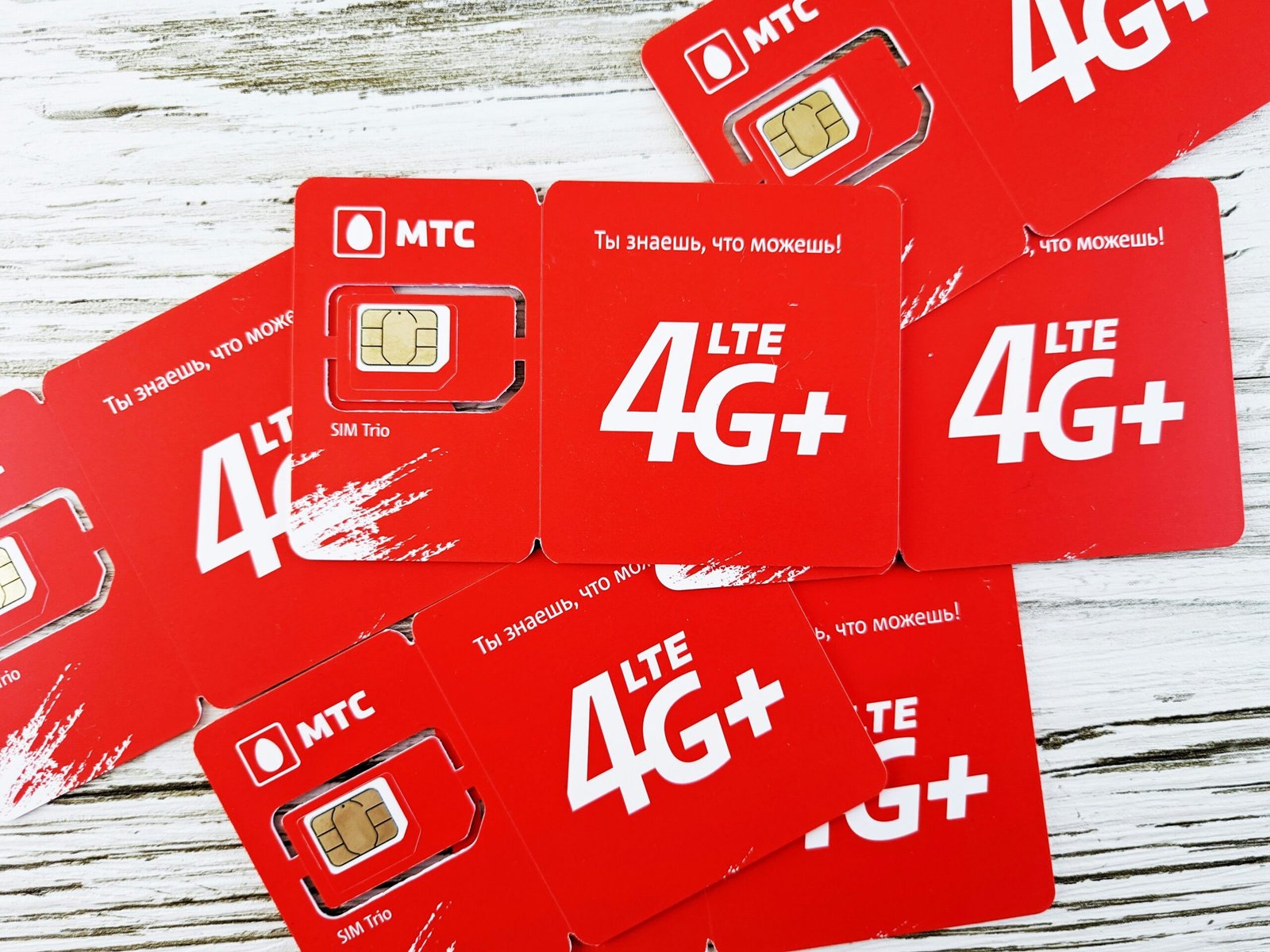
- Packaging: Frequently shown in sealed bulk stacks
Seller Justifications (Claims)
- SMS testing
- Marketing campaigns
- IoT deployments
- Verification services
These explanations are documented as seller claims, not verified facts.
6. How Bulk SIM Cards Enable Scam Operations
This section focuses on functionality, not attribution.
Documented Operational Uses
- OTP Interception & Abuse
SIMs receive verification codes for banks, crypto platforms, and apps. - Messaging Platform Abuse
Enables mass creation of Telegram, WhatsApp, and social media accounts. - Robocalling & Call Spoofing
Disposable numbers support high-volume outbound scam calls. - SIM Rotation
Numbers are replaced when flagged, limiting enforcement impact. - Short-Lifecycle Campaigns
SIMs support scams are designed to vanish quickly.
7. Observed Supply Chain Structure
Based on repeated documentation, the following structure is commonly observed:
- Retail Sellers – Small-scale SIM vendors
- Online Resellers – Telegram channels, forums
- Brokers & Middlemen – Logistics and bulk pricing coordination
- End-Use Environments – Reported scam operations and fraud farms
This section is designed to support future visual mapping.
8. Regulatory Landscape (High-Level)
SIM Registration (KYC)
Most jurisdictions require SIM registration, but:
- Third-party registrations persist
- Identity verification varies in rigour
- Bulk activations receive limited scrutiny
Enforcement Constraints
- Cross-border SIM usage
- Fragmented telecom regulation
- Limited coordination between states
This dossier documents these gaps without proposing policy solutions.
9. Key Patterns & Indicators
Repeatedly observed signals include:
- Identical SIM ranges reused across platforms
- SIMs registered to unrelated identities
- SIM rotation aligned with scam campaign timelines
- Overlap with known scam typologies:
- Romance scams
- Pig-butchering scams
- Investment fraud
Patterns indicate systemic enablement, not isolated misuse.
10. Impact & Harm
Bulk SIM availability contributes to:
- Scale amplification of scams
- Attribution failure for victims and platforms
- Higher victim exposure
- Operational strain on telecom providers
SIM supply is a force multiplier for cybercrime.
11. Evidence Archive (Linked)
All raw materials are preserved separately in the Evidence Archive, each with:
- Evidence ID
- Capture date
- Source platform
- Contextual description
Raw evidence is not embedded here to preserve integrity and safety.
12. Limitations & Unknowns
This dossier does not establish:
- Full market scale
- Direct seller-to-scammer attribution
- Telecom internal compliance data
Data gaps include:
- Telecom audit records
- Law enforcement case files
- Judicial outcomes
Unverified claims are excluded.
13. Update Log
- January 2026: Initial dossier publication
- Future updates will be logged here with evidence additions or revisions
Conclusion
Bulk SIM card sales do not create scams, but they make scams possible at scale.
This dossier documents how a weakly governed telecom layer has become a core dependency for modern cyber-enabled fraud. Understanding this infrastructure is essential for meaningful disruption.
Sources & References
- Europol – Internet Organised Crime Threat Assessment
https://www.europol.europa.eu/publications-events/main-reports/internet-organised-crime-threat-assessment - INTERPOL – Financial and Cybercrime
https://www.interpol.int/Crimes/Financial-crime - GSMA – SIM Registration and Identity
https://www.gsma.com/publicpolicy/spectrum/sim-registration - FBI IC3 – Annual Internet Crime Reports
https://www.ic3.gov/Media/PDF/AnnualReport - United Nations Office on Drugs and Crime (UNODC) – Cybercrime
https://www.unodc.org/unodc/en/cybercrime
For such deeply detailed dossiers or explosive, detailed archives on such topics, see our Dossiers & Evidence Archives.