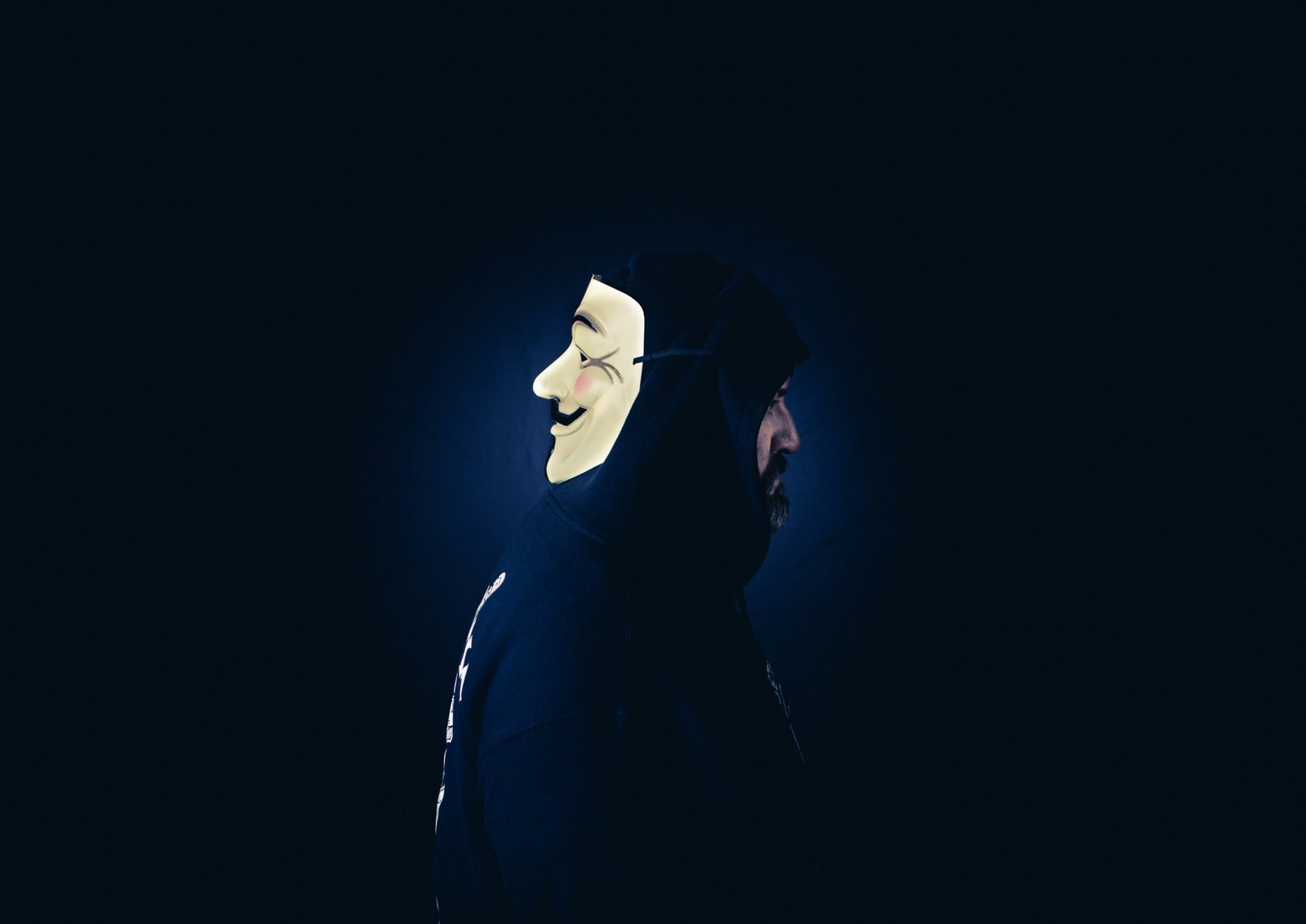
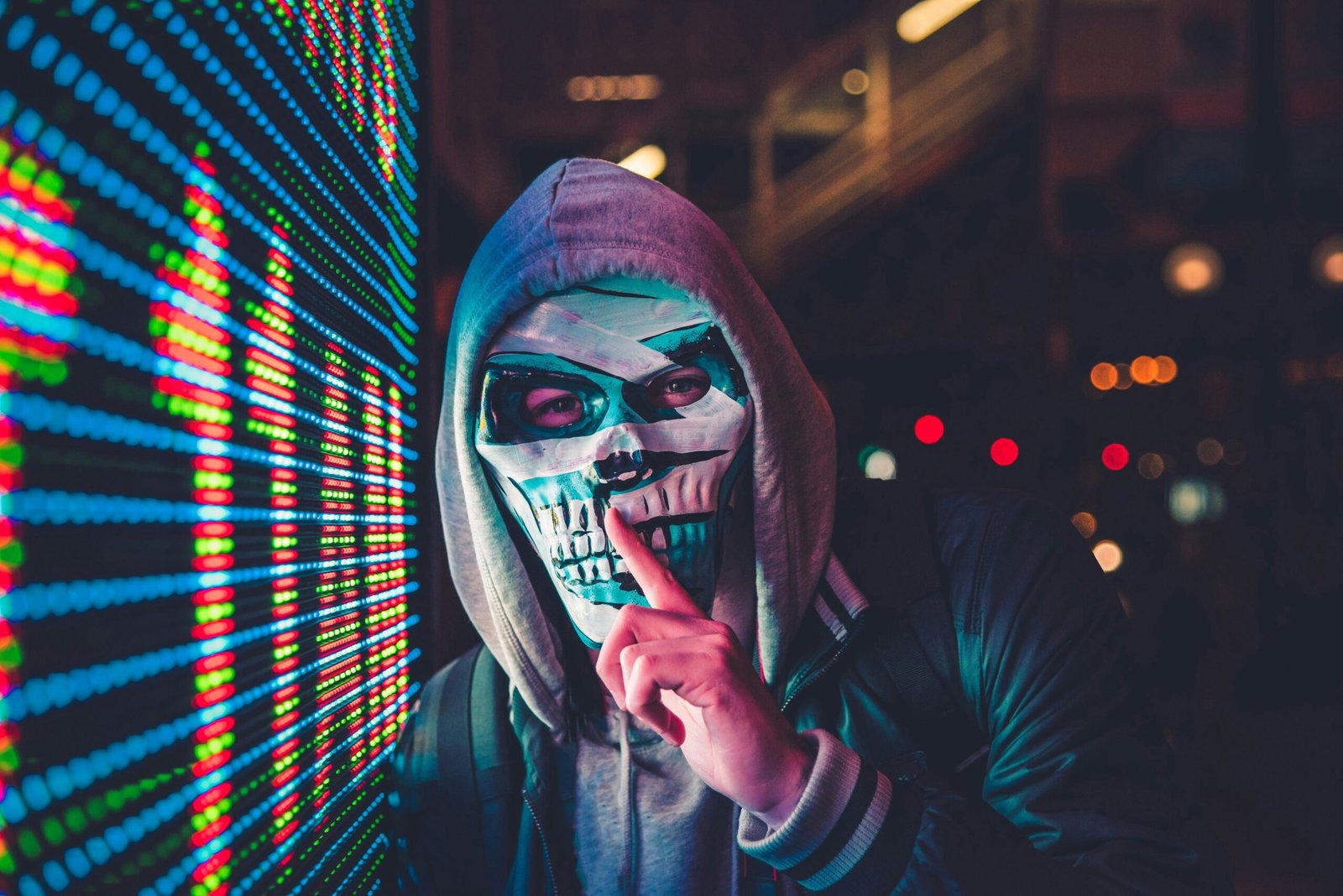
Debunking common Dark Web Myths and Facts. Learn what the dark web really is, how it works, and what is legal versus illegal.
Separating Fear, Fiction, and Forensic Reality
The dark web has become one of the most misunderstood components of the modern internet. Popular media, entertainment industries, and even poorly researched journalism have painted it as a lawless digital underworld where every click leads to crime. This narrative is not only inaccurate, but it also actively hinders informed cyber policy, credible investigations, and public cyber awareness.
This article systematically Dark Web Myths and Facts surrounding the dark web and contrasts them with verifiable, technical, and legal facts, grounded in how the internet actually operates.
Myth 1: The Dark Web Is Entirely Illegal
Fact
The dark web itself is not illegal. It is a privacy-focused network layer designed to enable anonymous communication. Legality depends entirely on user behaviour, not the technology.
Legitimate uses include:
- Whistleblowing platforms
- Secure journalist-source communication
- Circumventing censorship in authoritarian regimes
- Privacy preservation against mass surveillance
Many activities conducted on the surface web, such as fraud, harassment, and data theft, are illegal despite occurring on “normal” websites. The same principle applies to the dark web.
Myth 2: Accessing the Dark Web Is a Crime
Fact
In most jurisdictions, including India, accessing the dark web is not illegal. Using tools like the Tor Browser is lawful. What becomes illegal is engaging in prohibited activities such as trafficking, fraud, or financing crime.
This distinction is frequently ignored, leading to public fear rather than informed caution.
Myth 3: Everything on the Dark Web Is Anonymous and Untraceable
Fact
Anonymity on the dark web is conditional, not absolute.
Common factors that compromise anonymity:
- Poor operational security (OPSEC)
- Reusing usernames or passwords
- Browser fingerprinting
- Cryptocurrency traceability
- Law enforcement infiltration of marketplaces
Numerous dark web operators and users have been identified and prosecuted due to basic mistakes, not technological failure.
Myth 4: Only Criminals Use the Dark Web
Fact
This myth ignores the dark web reality entirely. Especially, the user groups who rely on anonymity for survival or freedom.
Regular dark web users include:
- Journalists and editors
- Human rights activists
- Political dissidents
- Researchers studying cybercrime ecosystems
- Citizens in censored information environments
Painting all dark web users as criminals delegitimises privacy itself.
Myth 5: The Dark Web Is a Single Hidden Website
Fact
The dark web is not a single place. It is a decentralised ecosystem of:
- Thousands of short-lived sites
- Mirror domains
- Invitation-only communities
- Encrypted forums
- Marketplaces with limited lifespans
Most dark websites disappear within months due to scams, exit frauds, or law enforcement takedowns.
Myth 6: The Dark Web Is Bigger Than the Normal Internet
Fact
The dark web is tiny compared to the surface and deep web.
Approximate proportions:
- Surface web: ~4–5%
- Deep web: ~90%+
- Dark web: less than 1%
Its influence comes from the concentration of illicit activity, not size.
Myth 7: Law Enforcement Cannot Operate on the Dark Web
Fact
Law enforcement agencies worldwide actively operate on the dark web.
Tactics include:
- Undercover marketplace participation
- Network traffic correlation
- Blockchain analysis
- Malware-based deanonymization
- Human intelligence infiltration
Dark web anonymity complicates investigations, but it does not prevent them.
Why These Myths Persist
The persistence of dark web myths is driven by:
- Sensational media narratives
- Lack of technical literacy
- Hollywood portrayals
- Fear-based cyber reporting
- Poor differentiation between tools and crimes
For investigative journalism, repeating these myths undermines credibility and weakens public understanding.
Conclusion
The dark web, explained in a word, is neither a digital hellscape nor a privacy utopia. It is a neutral infrastructure that amplifies both protection and abuse depending on human intent.
Understanding the facts instead of myths enables:
- Better cyber hygiene
- More accurate reporting
- Smarter law enforcement strategies
- Informed public discourse
- Responsible policy formation
Fear thrives in ignorance. Evidence thrives in clarity.
Bibliography & Sources
- https://www.torproject.org
- https://www.eff.org/issues/anonymity
- https://www.europol.europa.eu/activities-services/publications/dark-web-report
- https://www.interpol.int/Crimes/Cybercrime
- https://www.cloudflare.com/learning/security/what-is-the-dark-web/
For deeper context on such Dark Web Stuff, see our Dark Web Intelligence.