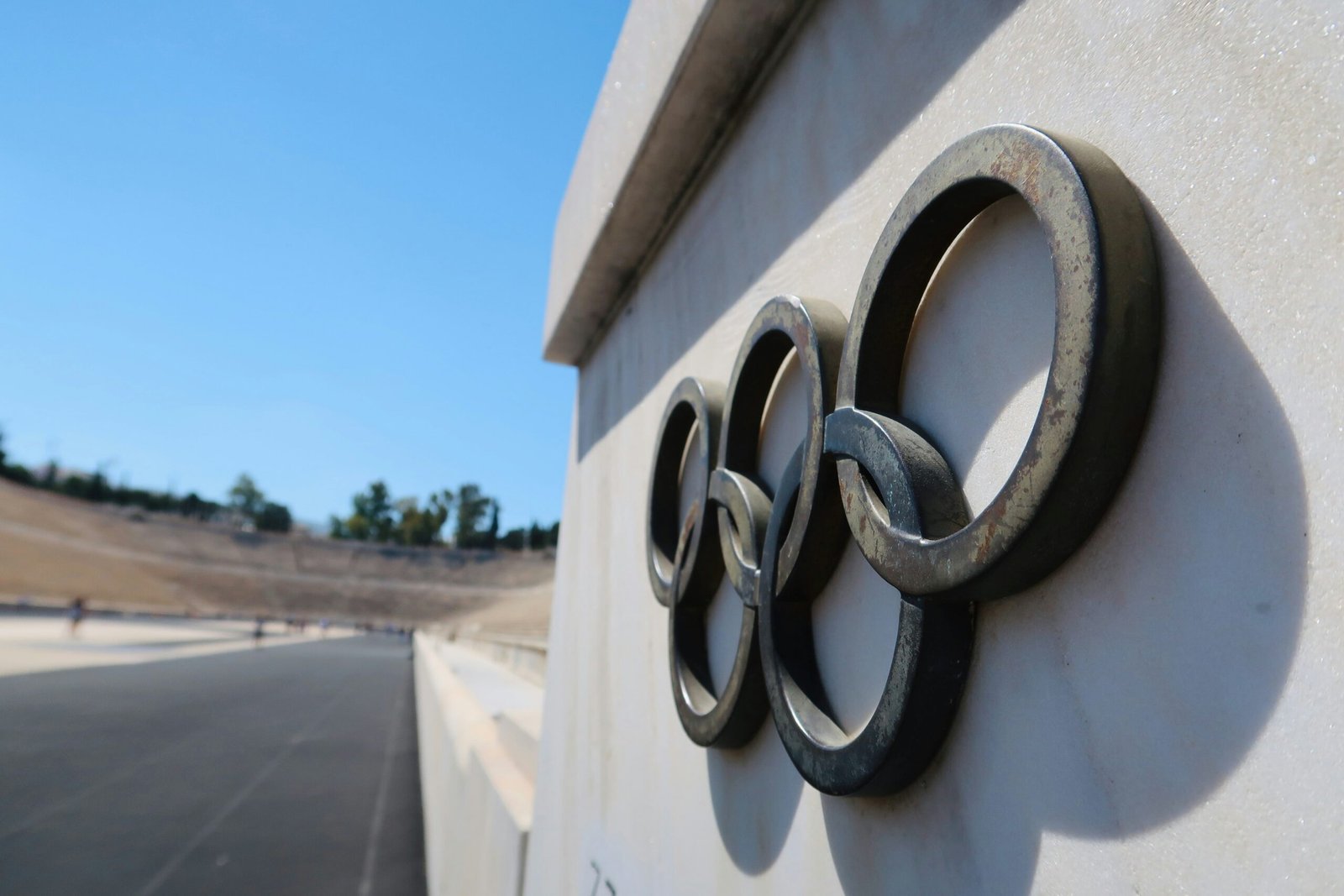
As fewer cities bid for hosting the Olympics, mounting evidence suggests that what was once a symbol of prestige has become a high-risk economic gamble.
Introduction: The Decline of Olympic Enthusiasm
For much of the 20th century, hosting the Olympic Games was viewed as an unparalleled honor—a moment of global recognition, national pride, and urban transformation. Cities competed fiercely for the right to host, believing the Games would catalyze economic growth, tourism, and long-term development.
Today, that enthusiasm has sharply declined.
Rising costs, public resistance, environmental scrutiny, and post-event fiscal stress have transformed the Olympics from a coveted prize into a contested liability. In recent years, multiple cities have withdrawn bids following public referendums, signaling a structural shift in how the Games are perceived.
The Cost of Bidding: Millions Before the First Brick Is Laid
Merely bidding to host the Olympics requires substantial financial commitment. Cities typically spend tens of millions of dollars on feasibility studies, consultancy firms, lobbying efforts, and compliance documentation demanded by the International Olympic Committee (IOC).
These sunk costs offer no guarantee of success and often generate public backlash, especially when bids fail or are withdrawn under public pressure.
Hosting the Games: A History of Cost Overruns
Once awarded, costs escalate rapidly.
Examples from recent Olympic history illustrate a consistent pattern:
- London 2012 Summer Olympics – approximately $14–15 billion
- Beijing 2008 Summer Olympics – estimated $40+ billion
- Sochi 2014 Winter Olympics – over $50 billion, the most expensive Olympics to date
- Tokyo 2020 Summer Olympics – exceeded $13 billion, with minimal tourism due to COVID-19
In almost every case, final expenditures vastly exceeded initial projections.
What the Research Says: Olympics as a Megaproject Outlier
A landmark study by Oxford University scholars Bent Flyvbjerg and Allison Stewart examined Olympic Games between 1960 and 2016. Their findings were unambiguous:
Every Olympic Games in the dataset experienced cost overruns—100% consistency.
No other category of megaproject exhibits such reliability in exceeding budgets. Infrastructure projects, dams, and transport systems all show variance; the Olympics do not.
The Athens Precedent: A Cautionary Tale
The Athens 2004 Summer Olympics are often cited as a turning point.
Greece spent approximately €9 billion hosting the Games, investing heavily in venues that quickly fell into disuse. While the Olympics were not the sole cause of Greece’s later debt crisis, they contributed to fiscal stress during a period of economic fragility.
Today, abandoned stadiums around Athens stand as visible reminders of poor legacy planning.
Environmental and Social Costs
Beyond finances, hosting the Olympics imposes significant non-monetary burdens:
- Large-scale displacement of local communities
- Accelerated urban construction with environmental damage
- Carbon-intensive infrastructure projects
- Security expenditures and surveillance expansion
- Temporary employment with limited long-term benefit
In the post-COVID era, these concerns have intensified, with public opinion increasingly favoring sustainable urban investment over short-term spectacle.
Why Fewer Cities Are Bidding
Recent IOC host selections reveal a clear trend:
- Fewer competing bids
- Repeated selection of cities with existing infrastructure
- Preference for countries capable of absorbing financial risk
The IOC has responded by promoting “cost control” and “legacy-first” hosting models. However, critics argue that structural incentives remain unchanged, and risks continue to fall disproportionately on host cities and taxpayers.
Conclusion: Prestige No Longer Guarantees Prosperity
Hosting the Olympic Games is no longer a universal aspiration. For many cities, it represents a high-stakes wager with uncertain returns and well-documented risks.
Unless host cities already possess extensive infrastructure, transparent governance, and long-term planning capacity, the Olympics can become a financial and social burden rather than a transformative opportunity.
In an era of fiscal accountability and climate awareness, the question is no longer “Can we host the Olympics?”—but “Should we?”
Bibliography & Sources
- Flyvbjerg, B., & Stewart, A. – Survival of the Unfittest: Why the Olympics Always Cost More Than Expected
https://www.ox.ac.uk - Investopedia – The Economic Impact of Hosting the Olympics
https://www.investopedia.com - IOC Official Reports – Olympic Host City Contracts
https://olympics.com/ioc - The Guardian – Post-Olympic Infrastructure and Debt Analysis
https://www.theguardian.com - Brookings Institution – Mega Sporting Events and Public Finance
https://www.brookings.edu
For deeper context on these power tactics, see our Intelligence Notes & Critical Reads.