
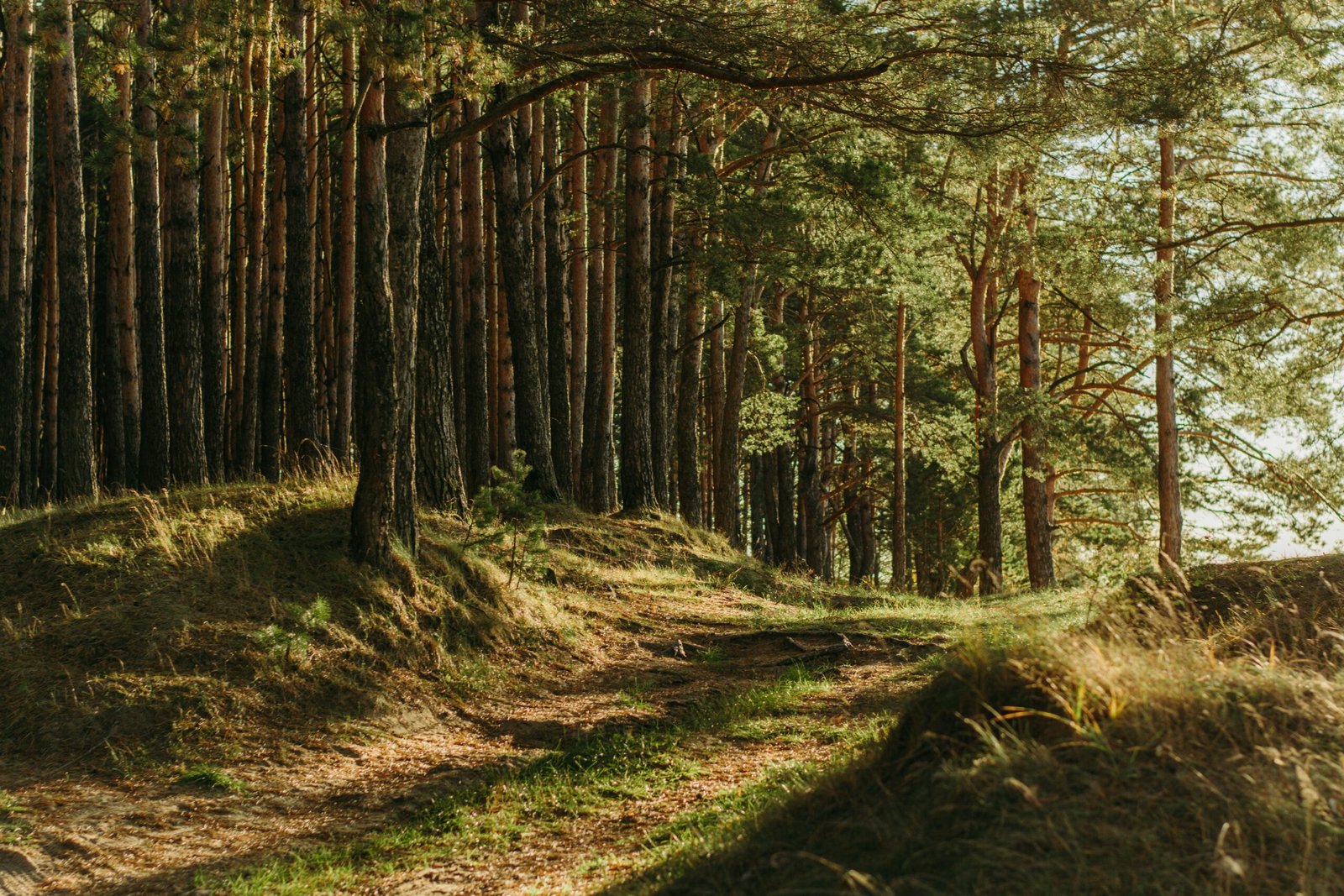
The Miyawaki afforestation technique can grow dense native forests in 30 years. Here’s how it works and why India urgently needs it.
In an age dominated by globalization, rapid urbanization, and industrial expansion, climate change remains one of the most contested yet undeniable realities of our time. While activists and scientists continue to raise alarms, political and corporate inertia has slowed meaningful action—particularly in countries like India, where ecological pressure is mounting rapidly.
One of the most effective ways to combat climate change is also one of the simplest: restoring forests.
A Brief History of Deforestation
The systematic decimation of forests began with early civilization but accelerated dramatically during the colonial era. Under British rule, India’s vast forest reserves were exploited relentlessly to fuel imperial ambitions. Prior to World War II, the global demand for timber soared, primarily for shipbuilding and military infrastructure.
Warfare further weaponized deforestation. The infamous “Scorched Earth Policy”, employed by retreating armies, involved the deliberate destruction of forests, farms, and granaries to deprive advancing forces of resources. One such instance occurred in Java, where Dutch forces burned vast timber reserves to hinder Japanese advances.
The ecological cost of these strategies continues to haunt us today.
Why Traditional Afforestation Is Not Enough
Conventional afforestation methods are slow. A naturally self-sustaining forest ecosystem can take 200–300 years to mature—time we no longer have.
To counter this, afforestation must be:
- Faster
- Denser
- Biodiversity-rich
- Urban-compatible
This is where the Miyawaki Afforestation Technique becomes a game-changer.
What Is the Miyawaki Afforestation Technique?
The Miyawaki Method, developed by Japanese botanist Dr. Akira Miyawaki, is a scientifically backed approach to creating dense, native forests in record time.
Using this technique:
- A forest matures in 20–30 years
- Tree growth is 10 times faster
- Plantation density is up to 30 times higher
- The forest becomes maintenance-free after 2–3 years
The core principle is simple: plant native species very close together, forcing them to grow vertically in competition for sunlight—just as they do in natural forests.
How to Implement Miyawaki Afforestation Technique: Step-by-Step
Step 1: Soil Preparation
Soil enrichment is critical.
- Mix the existing soil with:
- Organic mulch
- Natural fertilizers
- Beneficial microorganisms
- Biomass (rice husk, wheat husk, corn husk, flower waste)
- Add water retainers like:
- Cocopeat
- Sugarcane residue
- Dry mulch
This enhances aeration, moisture retention, and microbial activity.
Step 2: Selection of Native Species
Native species are mandatory.
Plants should be categorized by height:
- Shrubs (up to 6 ft)
- Sub-trees (up to 25 ft)
- Trees (up to 40 ft)
- Canopy species (40+ ft)
Use a mix of evergreen, deciduous, and perennial species to ensure biodiversity.
Step 3: Designing the Forest
- Plant 3–5 saplings per square meter
- Avoid planting the same species together
- Use a random, layered arrangement
- Apply a thick mulch layer to:
- Insulate soil
- Reduce evaporation
- Prevent weed growth
Repetition kills biodiversity—randomness sustains it.
Step 4: Watering and Early Care
- Water daily for the first 2 years
- Regularly remove weeds
- No pesticides or chemical fertilizers
- No pruning—a forest must manage itself
After 2–3 years, the forest becomes self-sustaining.
Why India Needs Miyawaki Afforestation Technique
India’s National Forest Policy mandates that 33% of the country’s landmass should be under forest cover. As of 2020, the figure stands at only 24.56%.
At the current pace, this gap will take decades to close.
With Miyawaki forests, India can:
- Rapidly green urban spaces
- Restore biodiversity in degraded land
- Improve air quality
- Mitigate urban heat islands
- Meet forest cover targets within a decade
The solution exists. What remains is political will, municipal adoption, and public participation.
Bibliography / Sources
- Miyawaki, A. – Restoration of Native Forests
https://link.springer.com - Ministry of Environment, Forest and Climate Change (MoEFCC)
https://moef.gov.in - Forest Survey of India – India State of Forest Report
https://fsi.nic.in - United Nations Environment Programme (UNEP)
https://www.unep.org - WWF India – Urban Forest Initiatives
https://www.wwfindia.org
For deeper context on these power tactics, see our Intelligence Notes & Critical Reads.