
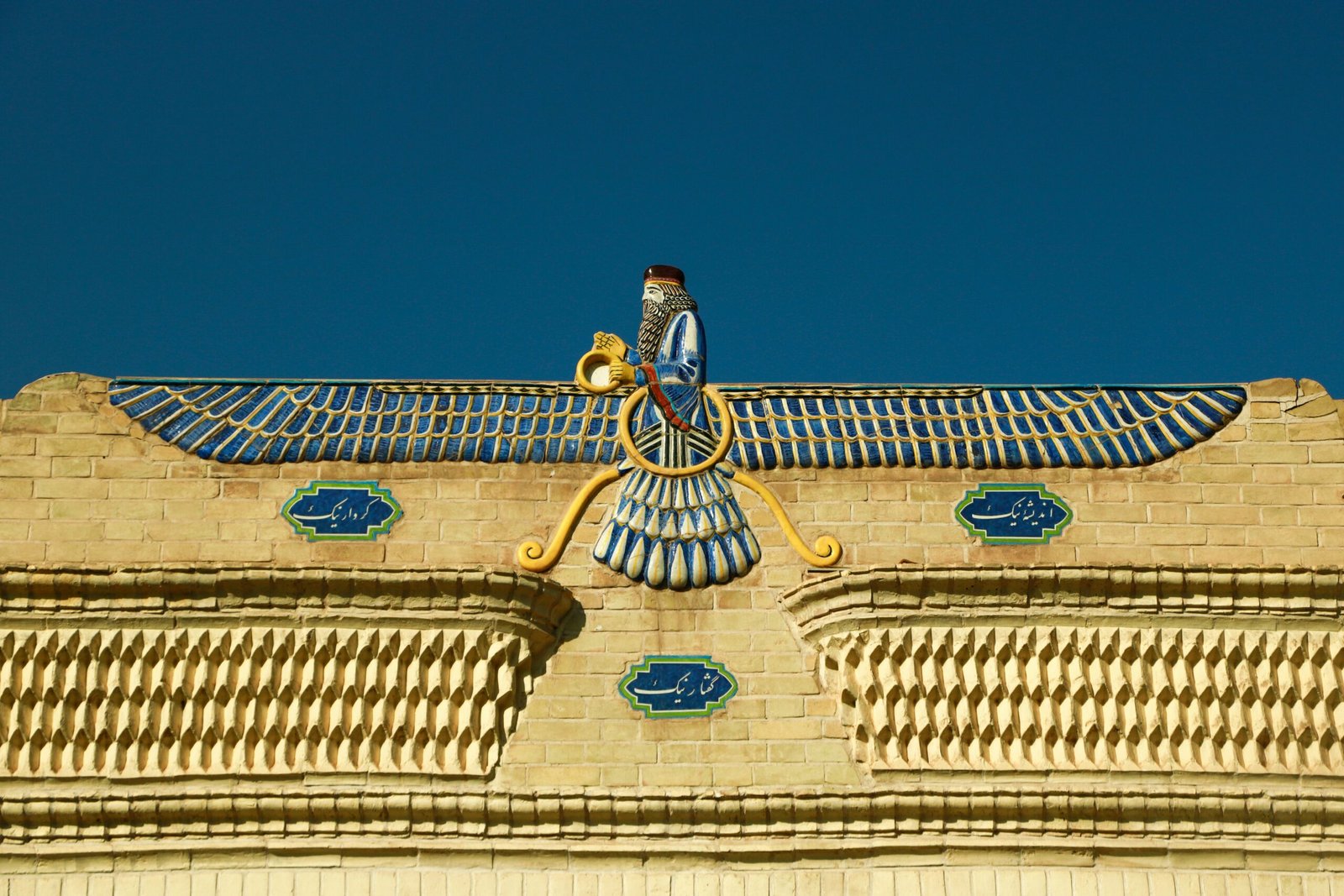
A Historic Victory for a Fading Community
The Parsi community in India — one of the country’s smallest yet most influential minorities — recently celebrated a rare victory. After years of legal challenges and persistent advocacy, the Mumbai Metro Rail Corporation (MMRC) agreed to modify its construction plans for the Kalbadevi Metro Station under Line-3. The excavation box will now be shortened, ensuring a 20-meter safety buffer from the sacred Wadiaji Atash Behram, one of the oldest Zoroastrian fire temples in Mumbai.
For the Parsis, the issue was not merely structural — it was spiritual. The proposed tunnel risked disturbing consecrated space where the sacred fire has burned uninterrupted for over a century. The MMRC’s concession came as a partial relief to a community that mobilized fiercely to safeguard one of its holiest institutions.
Mumbai Metro Line-3: A Transformative Project with Sensitive Fault Lines
The MML-3 corridor, stretching from Colaba to Bandra to SEEPZ, is one of Mumbai’s most ambitious urban transit projects. With most of the line running underground, the construction relies on Tunnel Boring Machines (TBMs) — massive engineering systems capable of carving subterranean routes while life continues seamlessly above ground.
Yet for the Parsis, this technological marvel collided with centuries-old religious practice. The community argued that vibrations and excavation beneath the Atash Behram endangered the sanctity of rituals that require absolute purity of space. The conflict encapsulated a broader dilemma: how should rapidly modernizing cities negotiate with deeply rooted cultural and religious traditions?
A Journey from Persia to India: The Legendary Parsi Migration
Today, Parsis in India number roughly 61,000, forming a micro-minority largely concentrated in urban pockets such as Mumbai, Pune, and Navsari. Their recorded history in the subcontinent begins in the 7th century CE, when Zoroastrian refugees fled Persia (modern Iran) following the Arab conquest.
According to Parsi oral tradition, the conquerors imposed conversion to Islam. Those who refused were persecuted; others escaped. Many found refuge in the mountains, while the bravest set sail across the Arabian Sea. Carrying their sacred fire, they eventually reached the coast of Gujarat.
A beloved folktale captures this encounter with India’s rulers:
A local Hindu king sent a messenger with a bowl of milk filled to the brim — a symbolic message that the land was already full.
The Zoroastrian priest responded by gently dissolving sugar into the milk without spilling a drop.
His meaning was clear:
“We will blend into your land and sweeten it.”
The king welcomed them. And thus began one of the most harmonious stories of migration in the Indian subcontinent.
Navsari: The Cradle of Parsi Civilization in India
In Gujarat, the immigrants settled in Nagmandal, a region that reminded them of Sari, their lost home in Persia. They named their new town Navsari — ‘New Sari’. Here, their sacred fire burned for more than 300 years, forming the spiritual heart of South Asian Zoroastrianism.
A Community That Shaped Modern India
Despite their small numbers, the Parsis have left an imprint on nearly every pillar of Indian public life:
- Industry: The Tata family, India’s most influential industrial dynasty
- Medicine & Law: Some of the country’s finest doctors, lawyers, and philanthropists
- Arts & Culture: Pioneering contributions to literature, theatre, and cinema
- Public Life: A reputation for civic engagement, honesty, education, and enterprise
From building India’s first steel plant to launching Air India, from funding universities to shaping city skylines, the Parsis have consistently contributed far more than their numbers might suggest.
A Fragile Future
Yet, the community faces a demographic crisis. Low birth rates, late marriages, and migration have placed the Parsis on the threshold of extinction in India. Several government and community-led efforts — including financial incentives for larger families — attempt to reverse this decline, but the struggle continues.
The recent Atash Behram ruling represents more than a legal win. It is a symbolic acknowledgment of a community whose presence, though shrinking, remains woven into the cultural and industrial fabric of India. Protecting Parsi heritage is not just about preserving religious spaces — it is about safeguarding a living fragment of India’s civilizational mosaic.
Bibliography / Sources
- Indian Express — Parsi Community and Metro Line 3 Dispute
https://indianexpress.com - Times of India — MMRC Construction and Atash Behram Concerns
https://timesofindia.indiatimes.com - UNESCO — Intangible Cultural Heritage: Zoroastrianism
https://ich.unesco.org - Parsi Oral Traditions (Sugar in Milk Folktale)
https://zoroastrian.org - Lala, R. M. Beyond the Last Blue Mountain.
https://www.amazon.in/Beyond-Last-Blue-Mountain-JRD/dp/0143062227/ - Books:
“The Zoroastrians: Their Religious Beliefs and Practices” — Mary Boyce
“Parsis in India and the Diaspora” — Tanya Luhrmann & John R. Hinnells
For deeper context on these power tactics, see our Intelligence Notes & Critical Reads.