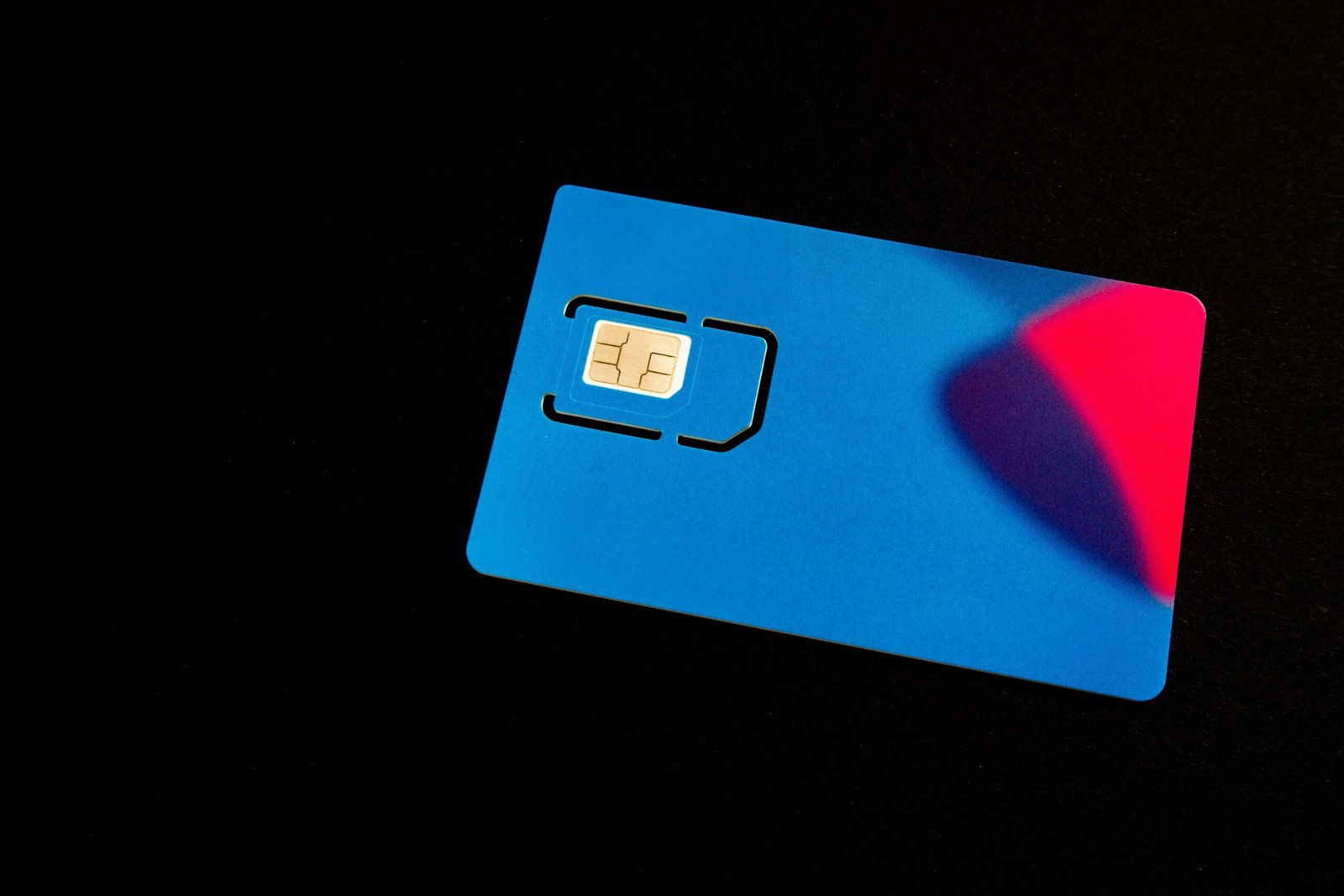

An investigative analysis of telecom KYC gaps in Southeast Asia, examining regulatory fragmentation, enforcement limits, and how SIM cards circulate across borders.
Introduction
Know Your Customer (KYC) requirements are intended to anchor telecommunications services to accountable identities. In practice, however, KYC enforcement varies widely across jurisdictions. Nowhere is this more evident than in Southeast Asia, where regulatory fragmentation, uneven enforcement capacity, and cross-border trade intersect.
This article examines telecom KYC gaps as a structural issue. It does not argue that regulations are absent; rather, it analyses why existing rules fail to produce consistent outcomes, and how those gaps shape SIM card circulation across the region.
Why Telecom KYC Gaps In Southeast Asia Exist in the First Place?
Telecom KYC regimes are designed to:
- Link SIM cards to verified identities
- Deter misuse through traceability
- Support lawful access for investigations
Most Southeast Asian countries have enacted some form of prepaid SIM registration. On paper, these frameworks appear robust. In practice, their effectiveness depends on implementation quality, not statutory intent.
Fragmented Regulation Across Jurisdictions
Southeast Asia is not a single regulatory environment. Each country sets its own:
- Identity documentation standards
- Registration processes
- Enforcement thresholds
This fragmentation matters because SIM cards, devices, and users move across borders more easily than regulations do. A SIM registered under one jurisdiction’s rules may circulate far beyond that jurisdiction’s oversight.
Enforcement Capacity and Practical Constraints
Even where KYC rules are strict, telecom KYC gaps in Southeast Asia exists due to limited capacity of enforcement, mainly because:
- High transaction volumes
- Manual verification processes
- Limited audit resources
- Reliance on retail intermediaries
Retail-level enforcement is particularly challenging. When registration occurs through thousands of small vendors, oversight becomes diffuse. Compliance may be formal rather than substantive.
Retail Intermediaries and Accountability Gaps
Many prepaid SIMs are sold through third-party retailers rather than directly by telecom operators. This distribution model introduces additional layers where accountability can weaken.
Common challenges include:
- Inconsistent identity checks
- Reuse of registration credentials
- Limited post-sale auditing
These are not unique to Southeast Asia, but they are amplified in markets with high prepaid usage and informal commerce.
Cross-Border Movement of SIM Cards
SIM cards do not always remain within the regulatory perimeter in which they were registered. Cross-border movement can occur through:
- Informal resale
- Secondary distribution channels
- Bulk procurement for redistribution
Once a SIM leaves its original jurisdiction, enforcement becomes complex. Regulatory authorities typically lack mandate beyond national borders, while telecom operators’ obligations remain territorially bound.
This video is presented strictly for journalistic and investigative documentation. All identifiable details have been reviewed and redacted where necessary. No endorsement, facilitation, or promotion of illegal activity is implied.
The Compliance–Reality Gap
A recurring theme in telecom regulation is the gap between compliance on paper and outcomes in practice. Registration databases may be complete, yet identities may not be meaningfully verified. Audits may exist, yet enforcement actions remain rare.
This telecom KYC gap in Southeast Asia does not necessarily imply negligence. It reflects the difficulty of enforcing identity standards at scale in high-volume, low-margin markets.
Why KYC Gaps Matter Systemically
Telecom KYC gaps in Southeast Asia do not cause misuse on their own. However, they shape the environment in which misuse becomes easier or harder. When SIM cards are easy to acquire and replace, traceability weakens.
This has implications beyond fraud:
- National security investigations
- Consumer protection
- Trust in digital services
Addressing these gaps requires coordination across telecom regulators, operators, and, critically, across borders.
What This Article Does Not Claim
For clarity:
- It does not claim that KYC systems are absent
- It does not accuse specific operators or regulators
- It does not assert intent behind non-compliance
The analysis focuses on structural limitations, not individual faults.
Conclusion
Telecom KYC in Southeast Asia is best understood as a system under strain rather than a system without rules. Fragmented regulation, uneven enforcement capacity, and cross-border circulation combine to create telecom KYC gaps in Southeast Asia, especially between intent and outcome.
Understanding these dynamics is essential for any meaningful discussion about SIM card misuse, accountability, and reform. Without addressing the structural telecom KYC gaps in Southeast Asia, KYC weaknesses, and downstream interventions are likely to remain reactive.
This article forms part of a broader investigative series examining how digital infrastructure, regulation, and market behaviour intersect.
Sources & References
- Mobile Phone Registration: Global Review
GSMA
https://www.gsma.com/mobilefordevelopment/resources/mobile-phone-registration/ - Telecommunications Regulation and Enforcement
International Telecommunication Union (ITU)
https://www.itu.int/en/ITU-D/Cybersecurity - Cyber-Enabled Fraud and Financial Crime
United Nations Office on Drugs and Crime (UNODC)
https://www.unodc.org/documents/Cybercrime/Cyber-enabled_fraud_and_financial_crime.pdf
For deeper investigations on such topics, see our Cybercrime Investigations & Exposes.