
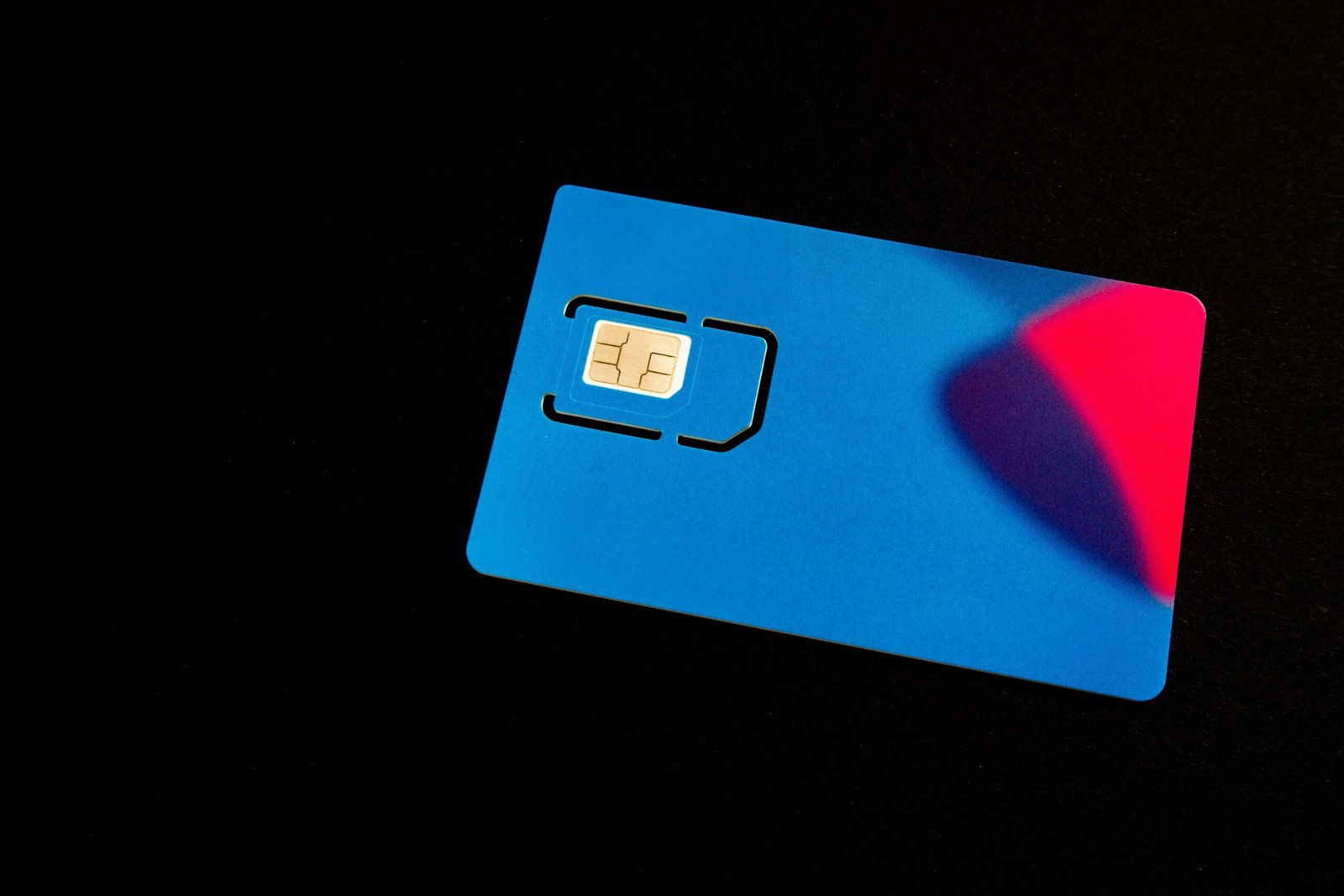
An investigative analysis of how Telegram as infrastructure for SIM card marketplaces, enabling persistence, scale, and low-friction distribution in Southeast Asia.
This article forms part of an investigative series examining Telegram as Infrastructure: How SIM Card Markets Persist at Scale in Southeast Asia, documented in our pillar investigation on Telegram’s SIM card supply chain.
Introduction
Discussions about online fraud frequently focus on messaging platforms as communication tools. This framing, however, is incomplete. In practice, some platforms function not merely as channels of conversation, but as infrastructure layers supporting the discovery, distribution, and persistence of entire markets.
This article examines how Telegram operates as such an infrastructure layer in the context of SIM card marketplaces. Drawing on primary-source Telegram data from Southeast Asia, it analyses why Telegram is repeatedly chosen for SIM distribution, how its structural features support market continuity, and why enforcement efforts struggle to disrupt these ecosystems.
This is not an argument about intent. It is an examination of platform mechanics.
Telegram As Infrastructure For SIM Card Marketplaces
Telegram is commonly described as an encrypted messaging application. While accurate, this description obscures its broader functional role. Telegram’s channel architecture allows one-to-many broadcasting with minimal friction. Channels can host an unlimited number of subscribers, post rich media, and remain searchable through both internal and external discovery mechanisms.
In the examined dataset, Telegram channels function as persistent digital storefronts. Posts resemble trade listings rather than conversations. The platform’s design enables sellers to advertise availability, update inventory, and redirect contacts with little overhead.
This is infrastructure behaviour: the platform supports repeatable, scalable economic activity without itself handling transactions.
Channel Design and Market Persistence
A defining feature of the observed SIM card channels is persistence. Posts appear regularly over time, often repeating near-identical language and imagery. This repetition is not accidental. It reflects a supply model built around continuity rather than opportunistic resale.
Several platform features contribute directly to this persistence:
- Channel replication: New channels can be created rapidly if older ones are restricted or abandoned.
- Subscriber migration: Administrators routinely redirect audiences to backup channels.
- Content longevity: Unlike ephemeral messaging, channel posts remain visible indefinitely unless removed by administrators.
These features allow markets to survive disruption events with minimal loss of reach.
Low-Friction Entry and Pseudonymity
Telegram requires little information to create and administer a channel. Phone number verification is required at account creation, but channel administration itself can be delegated to pseudonymous accounts. This separation reduces personal exposure while maintaining operational control.
In practice, this means:
- Sellers can operate without public identity disclosure
- Buyers interact through usernames rather than verified profiles
- Accountability is diffused across multiple layers
From an infrastructure perspective, this lowers the cost of entry and reduces the risks associated with market participation factors that strongly influence platform choice.
Evidence Patterns from the Dataset
The primary dataset reveals consistent structural patterns across posts:
- Short, utilitarian language
- Emphasis on availability and quantity
- Absence of consumer protections or terms
- Repeated visual motifs (bulk SIM images)
These characteristics align with wholesale or intermediary markets, where speed and scale are prioritised over branding or trust-building.
Importantly, Telegram’s interface does not require listings to comply with standardised formats or regulatory disclosures. This flexibility benefits legitimate communities but also enables markets operating in regulatory grey zones.
These patterns mirror the broader supply-chain dynamics outlined in our investigation into SIM card distribution across Southeast Asia.

Why Channels, Not Groups or Websites?
Telegram offers multiple communication formats, but channels dominate in SIM distribution contexts. This preference is structural.
Channels:
- Do not require mutual participation
- Are easier to moderate internally
- Support broadcast-style advertising
- Reduce exposure to unsolicited replies
Compared to standalone websites, channels also avoid hosting costs, domain takedowns, and scrutiny from payment processors. Compared to groups, they reduce noise and maintain message discipline.
In short, channels provide maximum reach with minimum friction.
Platform Governance and Enforcement Constraints
Telegram publishes transparency reports and enforces platform policies. However, enforcement faces structural limits. Content moderation relies on reporting, automated detection, and jurisdictionally constrained legal requests.
Several challenges emerge:
- Cross-border jurisdictional complexity
- Ambiguity between lawful and unlawful goods
- Rapid channel recreation after takedowns
From a governance perspective, Telegram is not unique. Similar dynamics exist across other large platforms. What distinguishes Telegram in this context is how closely its channel mechanics align with the needs of informal markets.
Infrastructure Neutrality and Unintended Use
It is important to emphasise that infrastructure is functionally neutral. The same features that enable legitimate communities broadcasting, privacy, and persistence also support informal or abusive markets.
This investigation does not argue that Telegram is designed for misuse. It documents how existing design choices interact with market behaviour in predictable ways.
Understanding this interaction is critical for any serious discussion about platform responsibility, regulation, or reform.
Why This Matters Beyond SIM Cards
SIM card markets offer a useful case study because they sit upstream of many downstream harms. However, the infrastructure dynamics described here extend far beyond telecom products.
Similar patterns have been documented in:
- Counterfeit goods markets
- Illicit digital services
- Unregulated financial instruments
In each case, the platform’s role is not transactional but enabling, providing the connective tissue that allows markets to function.
What This Article Does Not Claim
For clarity and accuracy:
- It does not claim Telegram endorses SIM misuse
- It does not identify specific sellers as criminals
- It does not allege downstream scam activity
The focus remains on structural conditions, not individual behaviour.
Conclusion
Telegram’s role in SIM card distribution illustrates a broader shift in how digital markets operate. Platforms increasingly function as infrastructure layers, supporting economic activity without directly participating in it.
For policymakers, researchers, and journalists, this distinction matters. Addressing downstream harms without understanding upstream infrastructure risks, treating symptoms rather than systems.
This article forms part of a larger investigative series examining those systems. For full context and methodology, read the complete investigation on Telegram’s SIM card supply chain in Southeast Asia.
Sources & References
- Telegram Transparency Reports
Telegram
https://telegram.org/transparency - Platform Governance and Illicit Markets
Oxford Internet Institute
https://www.oii.ox.ac.uk/research/ - Encrypted Messaging Platforms and Criminal Abuse
RAND Corporation
https://www.rand.org/topics/cybercrime.html - Cyber-Enabled Fraud and Infrastructure Abuse
UN Office on Drugs and Crime (UNODC)
https://www.unodc.org/documents/Cybercrime/Cyber-enabled_fraud_and_financial_crime.pdf
For deeper investigations on such topics, see our Cybercrime Investigations & Exposes.