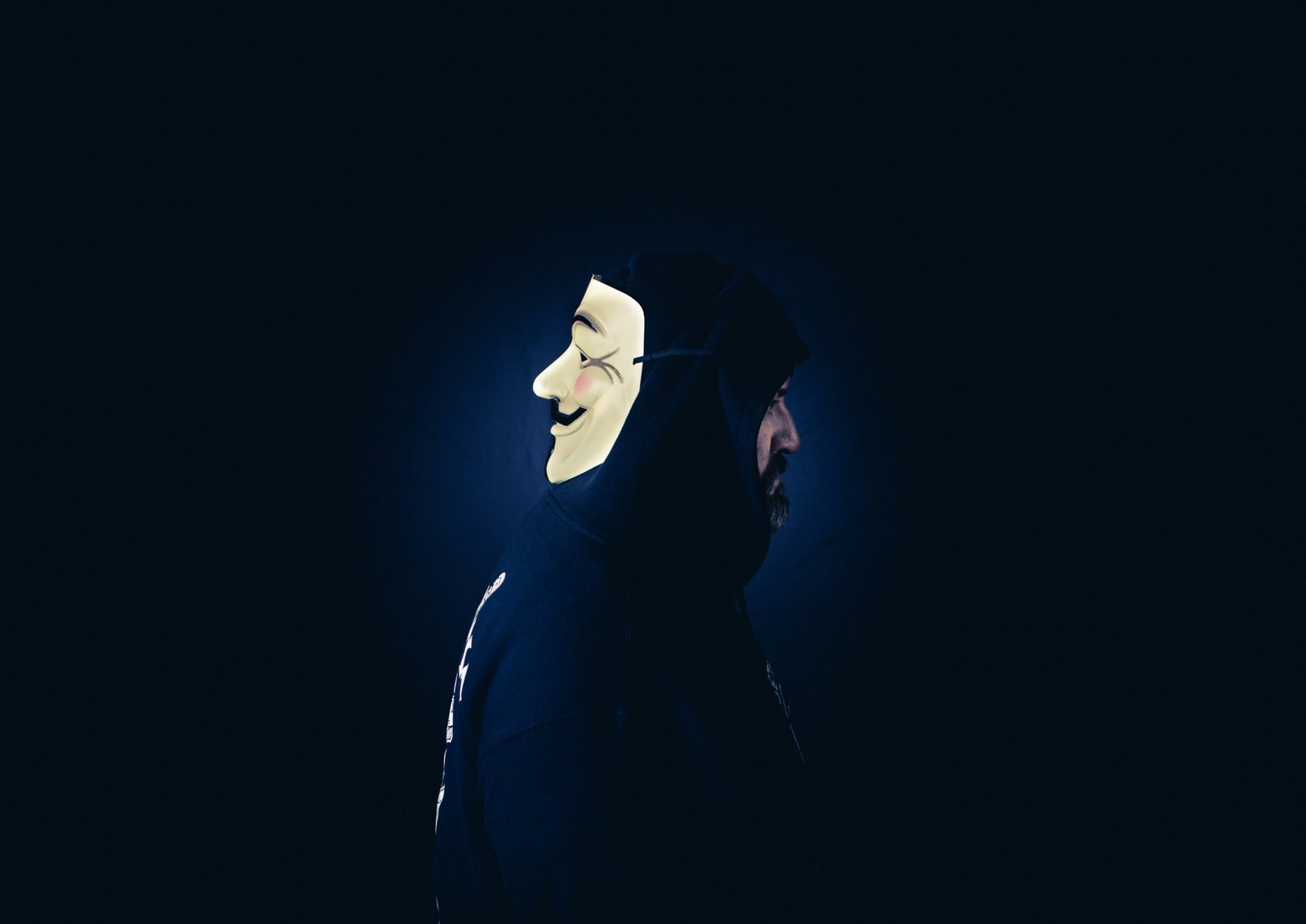
Learn what is the dark web? And how it differs from the deep web, and why anonymity, privacy, and cybercrime intersect online.
The internet most people interact with daily, Google searches, social media platforms, news websites, and online shopping portals, represents only a small fraction of what actually exists online. Beneath this visible layer lies a much larger and more complex structure divided into the Deep Web and the Dark Web. These terms are often used interchangeably in popular discourse, but doing so is both inaccurate and misleading.
Understanding the difference between the Deep Web and the Dark Web is essential, particularly in the context of cybercrime, digital investigations, and online anonymity.
Understanding the Surface Web
The surface web (also called the clear web) includes all content indexed by search engines like Google and Bing. Public blogs, corporate websites, government portals, and media platforms fall into this category. Estimates suggest the surface web constitutes less than 10% of the total internet.
Everything beyond this point is invisible to standard search engines but not necessarily illegal.
What Is the Deep Web?
The Deep Web refers to all online content that is not indexed by search engines. This includes:
- Email inboxes
- Online banking portals
- Private company intranets
- Academic databases
- Subscription-based platforms
- Cloud storage files
- Medical and legal records
The Deep Web exists primarily for privacy, security, and access control. It is not inherently criminal. In fact, most of the internet’s sensitive and legitimate data lives here.
If you log into your email or check your bank balance online, you are already using the Deep Web.
What Is the Dark Web?
The Dark Web is a small, intentionally hidden subset of the Deep Web. It requires specialised software, configurations, or authorisation to access. The most commonly used gateway is the Tor network, which routes traffic through multiple encrypted nodes to conceal user identity and location.
Dark Web websites typically use .onion domains and are not accessible through standard browsers like Chrome or Safari.
While the Dark Web was originally designed to support privacy, free speech, and resistance against surveillance, it has also become a hub for criminal activity.
Key Differences Between Deep Web and Dark Web
| Aspect | Deep Web | Dark Web |
|---|---|---|
| Indexed by search engines | No | No |
| Requires Special Software | No | Yes |
| Primary Purpose | Privacy & access control | Anonymity |
| Legal usage | Mostly legal | Mixed (legal & illegal) |
| Common users | General public | Activists, criminals, journalists |
Why the Dark Web Attracts Criminal Activity
The Dark Web provides three things criminals value highly:
- Anonymity – Masked IP addresses and encrypted routing
- Jurisdictional ambiguity – Cross-border operations
- Censorship resistance – Harder to take down
As a result, it hosts:
- Illicit drug marketplaces
- Stolen data dumps
- Malware-as-a-service platforms
- Fake documents and passports
- Hacking forums
- Terrorist propaganda archives
This does not mean everything on the Dark Web is illegal, but it does mean law enforcement faces unique challenges monitoring it.
Common Misconceptions About the Dark Web
Myth: The Dark Web is entirely illegal
Fact: There are legitimate uses, including secure journalism platforms and whistleblower tools.
Myth: Visiting the Dark Web is illegal
Fact: Accessing it is legal in many countries; illegal activity is not.
Myth: Only criminals use the Dark Web
Fact: Journalists, activists, researchers, and privacy advocates also rely on it.
Why This Distinction Matters
Confusing the Deep Web with the Dark Web leads to poor policy decisions, flawed reporting, and public fear. For investigative journalists and cybercrime researchers, understanding these layers is foundational.
The Deep Web is about privacy.
The Dark Web is about anonymity.
Criminality is a use case, not a defining feature.
Why You Should Care
Scams, ransomware, human trafficking, and financial fraud increasingly rely on Dark Web infrastructure. At the same time, authoritarian surveillance and data breaches make privacy tools more relevant than ever.
Understanding where legitimate privacy ends and criminal misuse begins is critical not just for investigators, but for policymakers and citizens alike.
Bibliography & Sources
- Tor Project Documentation – https://www.torproject.org
- Europol IOCTA Reports – https://www.europol.europa.eu
- FBI Cyber Division Resources – https://www.fbi.gov/investigate/cyber
- UNODC Cybercrime Studies – https://www.unodc.org
- Electronic Frontier Foundation – https://www.eff.org
For deeper context on such Dark Web Stuff, see our Dark Web Intelligence.