A deep analysis of Vladimir Putin’s rapid rise and the resurgence of Russia. Also, how did Kremlin evolved into a system built around one man.
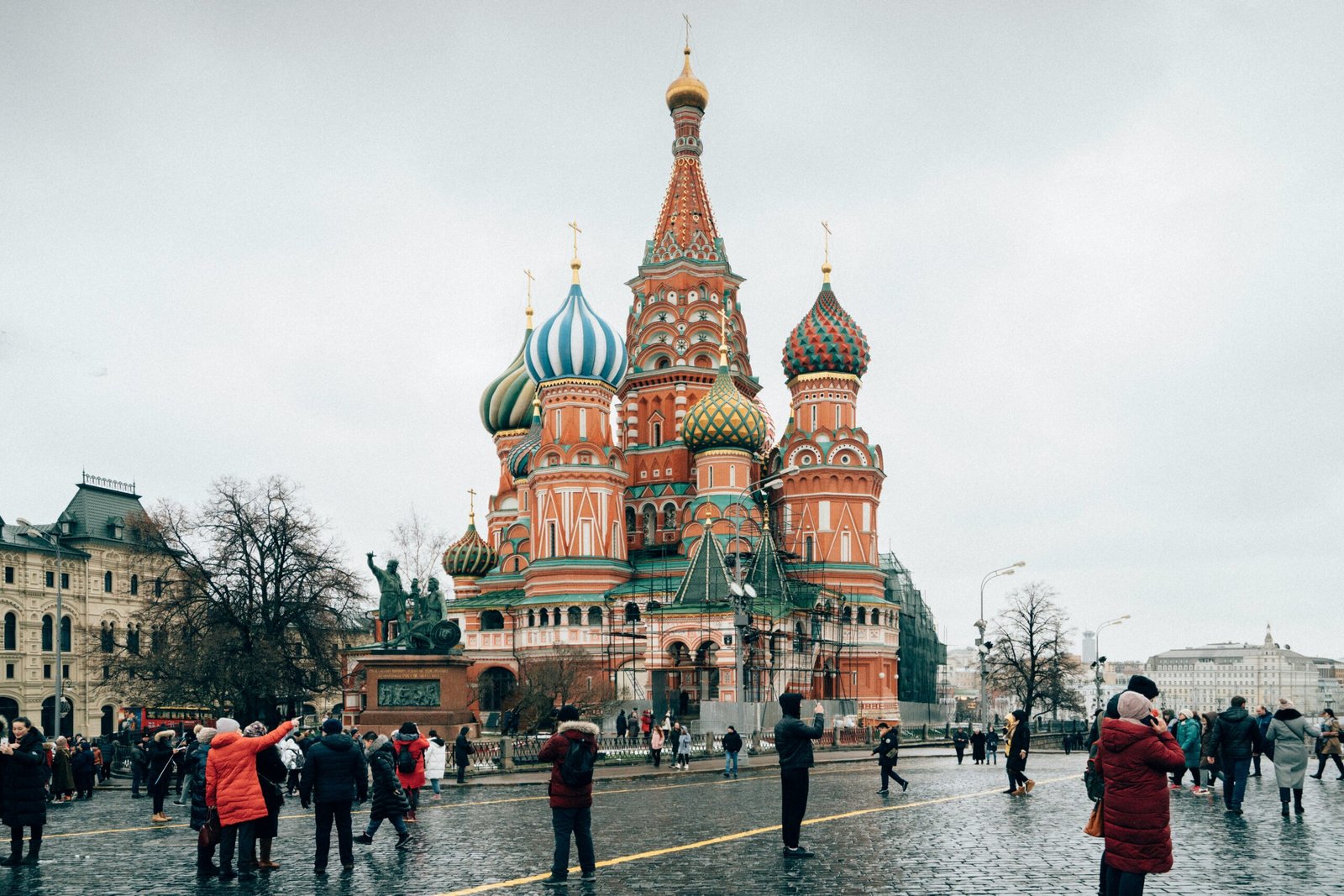
Winston Churchill once described Russia as “a riddle wrapped in a mystery inside an enigma.” Two decades later, the quote still applies — especially to the man who reshaped modern Russia.
On January 26, 2000, during the World Economic Forum in Davos, a moderator asked a simple question: “Who is Mr. Putin?”
Silence followed. Anatoly Chubais, the political insider who had helped propel Putin upward, looked lost. A former Russian prime minister declined to answer. For half a minute, the entire room watched Russia’s elite quietly panic. Then came the laughter — nervous, revealing, and symbolic.
The world’s largest nuclear state had a new leader, and even its own political class had no idea who he truly was.
The mystery did not last long.
Putin’s rise from an obscure St. Petersburg bureaucrat to the defining figure of the Russian state is one of the most rapid political ascents of the 21st century. Within a decade, he transformed himself into Russia’s central symbol. “Without Putin, there is no Russia,” declared senior Kremlin aide Vyacheslav Volodin — a statement that, for millions of Russians, reflects political reality more than propaganda.
When Putin became president in 2000, he offered two promises: stability and a “dictatorship of law.”
Two decades later, Russia stands vastly different — more centralized, more controlled, more assertive, and more dependent on one man’s will.
Behind the high granite walls of the Kremlin lies a system built on opaque networks of siloviki, oligarchs, loyal technocrats, and institutionalized fear. Understanding this architecture requires continuous investigation — because opacity is not a feature of modern Russia, but its foundation.
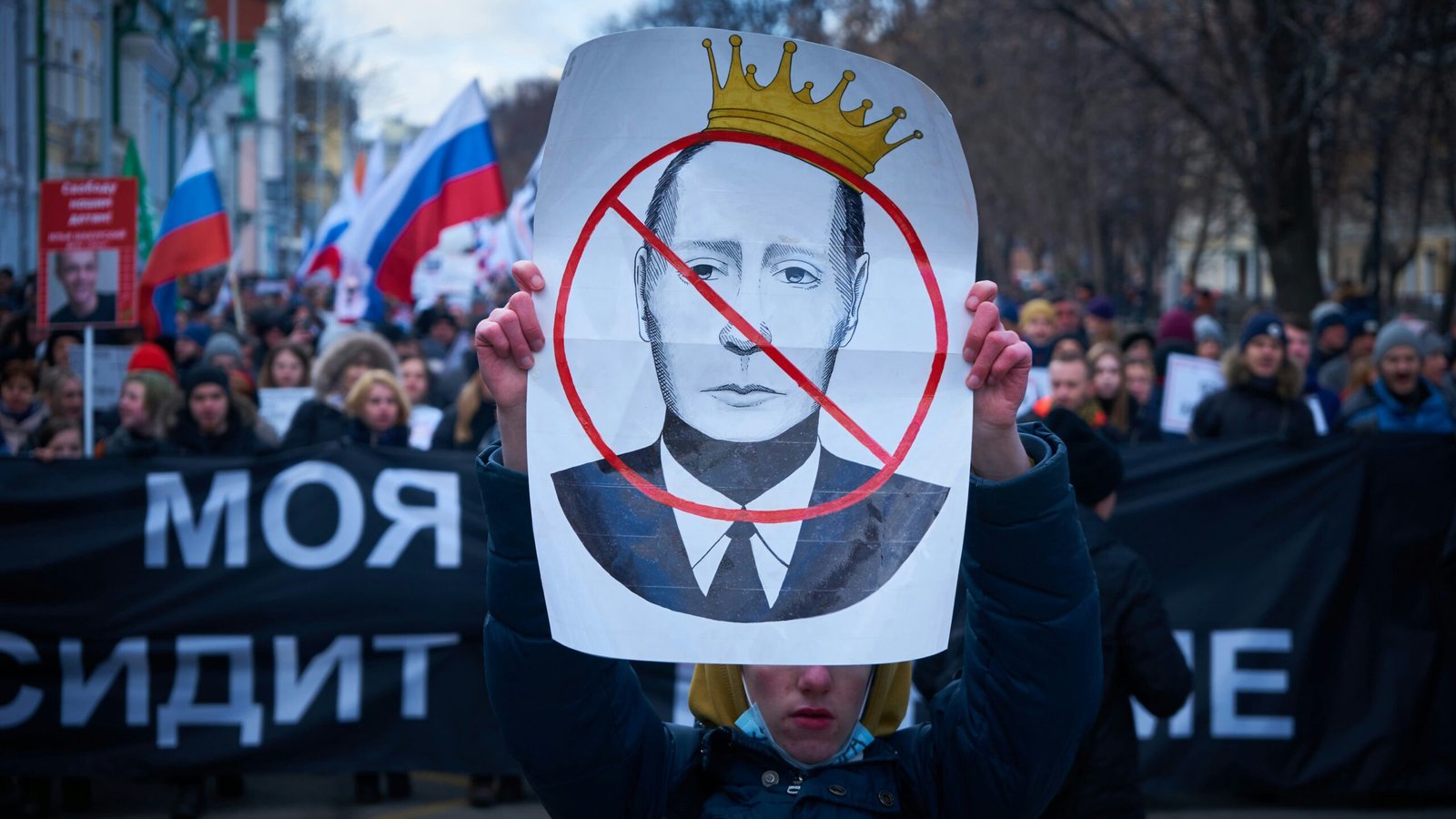
With the 2020 constitutional amendments enabling Putin to potentially remain in power until 2036, the era of “managed democracy” has evolved into something more explicit: a personalist state.
Whether this represents a resurgence or a recalibration depends on which side of power one stands. But one conclusion is unavoidable:
Vladimir Putin is no longer a product of the Russian system — he is the system.
Bibliography / Sources
- Steven Lee Myers, The New Tsar: The Rise and Reign of Vladimir Putin
- The New York Times: https://www.nytimes.com/topic/person/vladimir-putin
- The Guardian: https://www.theguardian.com/world/vladimir-putin
- BBC News: https://www.bbc.com/news/topics/cz4pr2gd84rt/vladimir-putin
- Carnegie Russia Program: https://carnegieendowment.org/programs/russia
- Brookings Institution – Russia: https://www.brookings.edu/topic/russia/
- Foreign Affairs – Russia: https://www.foreignaffairs.com/regions/russian-federation
- World Economic Forum Davos 2000 Archive: https://www.weforum.org/meetings/annual-meeting-2000
- Deutsche Welle Russia Coverage: https://www.dw.com/en/top-stories/russia/s-1449
- TASS Russia Politics: https://tass.com/politics